
At the end of last year, Texas Attorney General Ken Paxton sued five of the largest TV companies, accusing them of excessive and deceptive surveillance of their customers.
Paxton reserved special venom for the two China-based members of the quintet. His argument is that unlike Sony, Samsung, and LG, if Hisense and TCL have conducted surveillance in the way the lawsuits accuse them of, they’d potentially be required to share all data with the Chinese Communist Party.
It is a rare pleasure to state that legal action against tech companies is cogent, timely, focused, and – if the allegations are true – deserves to succeed. It is less pleasant to predict that even if one, several, or all of these manufacturers did what they’re accused of, and were sanctioned for it, it would not put the safeguards in place to stop such practices from recurring.
At the heart of the cases is the fact that most smart TVs use Automatic Content Recognition (ACR) to send rapid-fire screenshots back to company servers, where they are analyzed to finely detail your TV usage. This sometimes covers not just streaming video, but whatever apps or external devices are displaying, and the allegations are that every other bit of personal data the set can scry is also pulled in. Installed apps can have trackers, data from other devices can be swept up.
These lawsuits aside, smart TV companies more generally boast of their prying prowess to the ecosystem of data exploiters from which they make their money. The companies are much less open about the mechanisms and amount of data collection, and deploy a barrage of defenses to entice customers into turning the stuff on and stop them from turning it off. You may have already seen massive on-screen Ts&Cs with only ACCEPT as an option, ACR controls buried in labyrinthine menu jails, features that stop working even if you complete the obstacle course – all this is old news.
How old are these practices? TV maker Vizio got hit by multiple suits between 2015 and 2017, and collected $2.2 million in fines from the Federal Trade Commission and the state of New Jersey, as well as settling related class actions to the tune of $17 million. The FTC said the fines settled claims the maker had used installed software on its TVs to collect viewing data on 11 million TVs without their owners’ knowledge or consent. A court order said the manufacturer had to delete data collected before 2016 and promise to “prominently disclose and obtain affirmative express consent” for data collection and sharing from then on.
Yet ten years on, the problem has only got worse. There is no law against data collection, and companies often eat the fines, adjust their behavior to the barest minimum compliance, and set about finding new ways to entomb your digital twin in their datacenters.
It’s not even as if more regulation helps. The European GDPR data protection and privacy regs give consumers powerful rights and companies strict obligations, which smart TV makers do not rush to observe. Researchers claim the problem is growing no matter which side of the Atlantic your TV is watching you on.
[…]
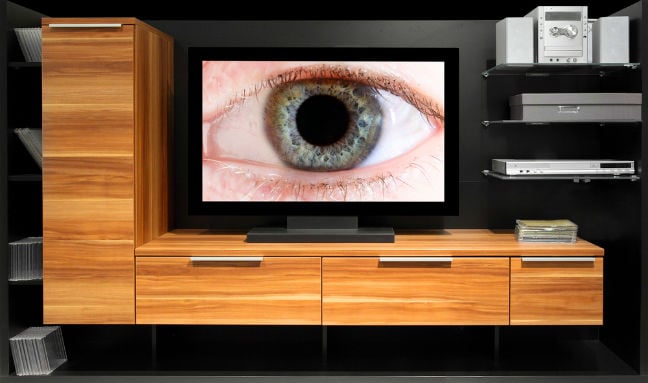
Source: Your smart TV is watching you and nobody’s stopping it • The Register

Robin Edgar
Organisational Structures | Technology and Science | Military, IT and Lifestyle consultancy | Social, Broadcast & Cross Media | Flying aircraft