
[…]
Confidence—not just agreement—shapes how persuasive a message is
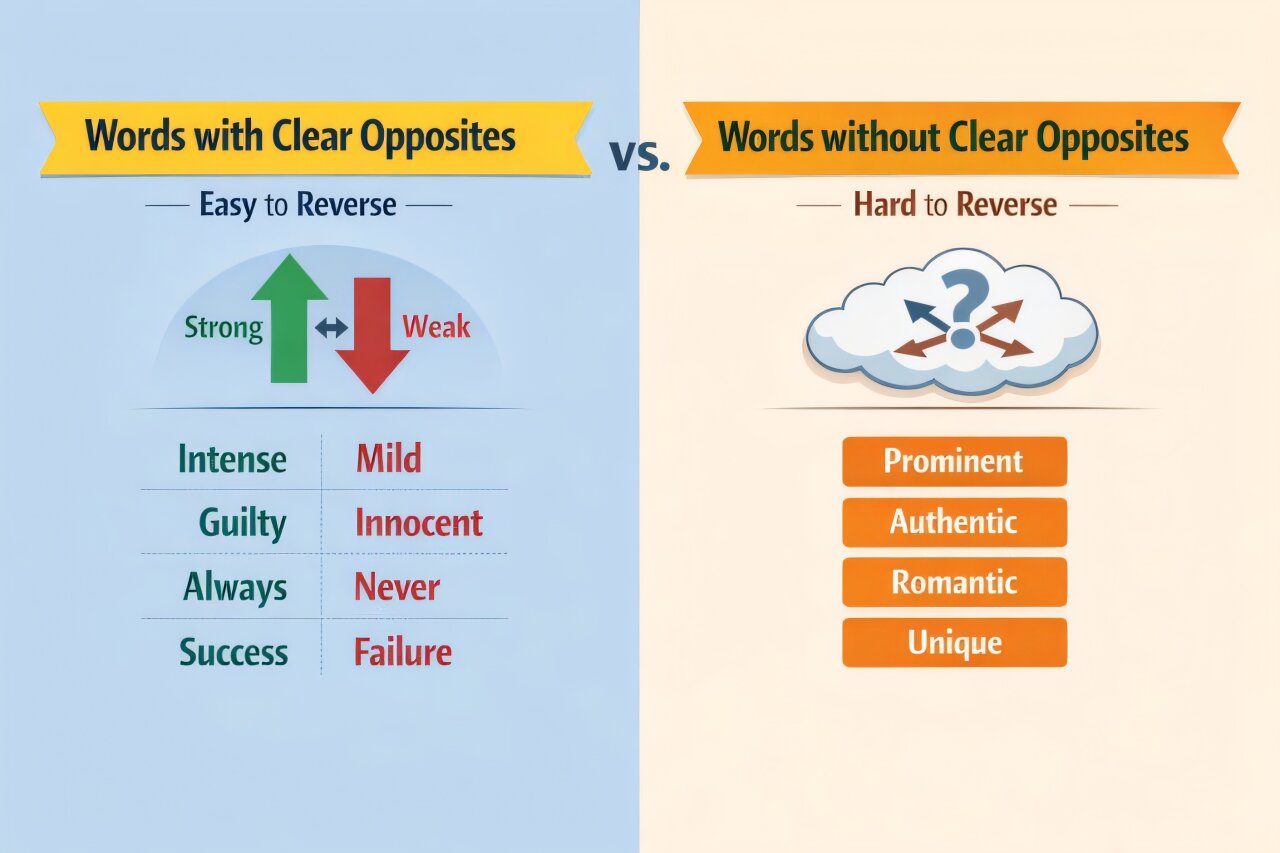
The study, in the Journal of the Association for Consumer Research, reveals that the persuasiveness of a message can hinge on the type of words it uses—specifically, whether those words have clear opposites. The research shows that when companies frame a message with words that are “reversible,” meaning they have an easily retrievable opposite (such as intense/mild or guilty/innocent), people who disagree with the claim tend to mentally flip it to the opposite meaning (for example, “The scent is intense” becomes “The scent is mild”).
Why words with clear opposites are processed differently
The study shows that this difference matters because people handle disagreement in different ways. When a message uses a word with a clear opposite, rejecting the claim requires an extra step retrieving and substituting the opposite word which makes people feel less certain about their opposing belief.
But when a word doesn’t have a clear opposite, people tend to negate them by simply adding “not” to the original word (for example, “not prominent” or “not romantic”). In those cases, the study finds that skeptics tend to feel more confident in their counter-belief, making those messages less effective overall.
A strategic advantage for marketers
“For marketers, this creates a powerful advantage: by using easily reversible words in a positive affirmation—such as ‘the scent is intense’—companies can maximize certainty among those who accept the claim while minimizing certainty among people who reject the message, because they tend to feel less strongly about their opposing belief,” said Maimone, who is now a postdoctoral scholar in marketing at the University of Florida.
“Our study highlights a subtle but influential linguistic mechanism that helps explain why some marketing and political messages are more effective than others.”
That’s why this matters for marketing. If a company uses a simple, positive claim with an easily reversible word—like “the scent is intense”—most consumers who believe it feel confident in that belief. But even the consumers who disagree tend to feel less sure about their own negative conclusion because flipping the message to the opposite (“it’s mild”) takes extra mental work.
[…]
Source: Why some messages are more convincing than others