At the Zooniverse, anyone can be a researcherYou don’t need any specialised background, training, or expertise to participate in any Zooniverse projects. We make it easy for anyone to contribute to real academic research, on their own computer, at their own convenience.You’ll be able to study authentic objects of interest gathered by researchers, like images of faraway galaxies, historical records and diaries, or videos of animals in their natural habitats. By answering simple questions about them, you’ll help contribute to our understanding of our world, our history, our Universe, and more.With our wide-ranging and ever-expanding suite of projects, covering many disciplines and topics across the sciences and humanities, there’s a place for anyone and everyone to explore, learn and have fun in the Zooniverse. To volunteer with us, just go to the Projects page, choose one you like the look of, and get started.
[…]
Zooniverse projects are constructed with the aim of converting volunteers’ efforts into measurable results. These projects have produced a large number of published research papers, as well as several open-source sets of analyzed data. In some cases, Zooniverse volunteers have even made completely unexpected and scientifically significant discoveries.
A significant amount of this research takes place on the Zooniverse discussion boards, where volunteers can work together with each other and with the research teams. These boards are integrated with each project to allow for everything from quick hashtagging to in-depth collaborative analysis. There is also a central Zooniverse board for general chat and discussion about Zooniverse-wide matters.
Many of the most interesting discoveries from Zooniverse projects have come from discussion between volunteers and researchers. We encourage all users to join the conversation on the discussion boards for more in-depth participation.
A new study has identified a potentially growing natural hazard in the north: frostquakes. With climate change contributing to many observed changes in weather extremes, such as heavy precipitation and cold waves, these seismic events could become more common. Researchers were surprised by the role of wetlands and drainage channels in irrigated wetlands in origin of frostquakes.
Frostquakes are seismic events caused by the rapid freezing of water in the ground. They are most common during extreme winter conditions, when wet, snow-free ground freezes rapidly. They have been reported in northern Finland in 2016, 2019 and 2022, as well as in Chicago in 2019 and Ottawa in 2022, among others.
Roads and other areas cleared of snow in winter are particularly vulnerable to frostquakes.
[.,..]
We found that during the winter of 2022–2023 the main sources of frostquakes in Oulu, Finland were actually swamps, wetlands and areas with high water tables or other places where water accumulates,” says Elena Kozlovskaya, Professor of applied geophysics at the University of Oulu Mining School.
When water in the ground, accumulated during heavy rainfalls in autumn or melting of snow during warm winter weather, freezes and expands rapidly, it causes cracks in the ground, accompanied by tremors and booms. When occurred in populated areas, frostquakes, or cryoseisms, are felt by people and they can be accompanied by specific noises. Ground motions during frostquakes are comparable to those of other seismic events, such as more distant earthquakes, mining explosions and vibrations produced by freight trains. Frostquakes are also known phenomenon in permafrost regions.
The new study, currently available as a preprint and set to be published in the journal EGUsphere, is the first applied study of seismic events from marsh and wetland areas. Researchers from the University of Oulu, Finland and the Geological Survey of Finland (GTK) showed that fracturing in the uppermost frozen ground can be initiated if the thickness of frozen layer is about 5 cm and larger. Ruptures can propagate deeper and damage infrastructure such as buildings, basements, pipelines and roads.
“With climate change, rapid changes in weather patterns have brought frostquakes to the attention of the wider audience, and they may become more common. Although their intensity is usually low, a series of relatively strong frostquakes in Oulu, 2016, which ruptured roads, was the starting point for our research.
[…]
During several days when the air temperature was decreasing rapidly, the local residents reported ground tremors and unusual sounds to the researchers. These observations were used to identify frostquakes from seismic data. The conditions for a frostquake are favorable when the temperature drops to more than—20°C at a rate of about one degree per hour.
There are many wetlands close to seismic stations in Oulu near residential area where the main sources of frostquakes were detected. In Sodankylä, the frostquakes were in addition caused by ice fracturing in the Kitinen river. “Frostquakes have often occurred in January, but other times are also possible,” says Moisio.
During frost quakes, seismic surface waves produce high ground accelerations at distances of up to hundreds of meters. “The fractures during frostquakes seem to propagate along drainage channels near roads and in irrigated wetlands” Kozlovskaya says.
Irrigated wetlands and drainage channels are also abundant around residential areas.
[…]
Further studies will help to identify areas at risk of frostquakes, which will help to prepare and protect the built environment from this specific natural hazard. Researchers at the University of Oulu and GTK aim to create a system that could predict frostquakes based on soil analysis and satellite data.
More information: Nikita Afonin et al, Frost quakes in wetlands in northern Finland during extreme winter weather conditions and related hazard to urban infrastructure (2023). DOI: 10.5194/egusphere-2023-1853
Balls of human brain cells linked to a computer have been used to perform a very basic form of speech recognition. The hope is that such systems will use far less energy for AI tasks than silicon chips.
“This is just proof-of-concept to show we can do the job,” says Feng Guo at Indiana University Bloomington. “We do have a long way to go.”
Brain organoids are lumps of nerve cells that form when stem cells are grown in certain conditions. “They are like mini-brains,” says Guo.
It takes two or three months to grow the organoids, which are a few millimetres wide and consist of as many as 100 million nerve cells, he says. Human brains contain around 100 billion nerve cells.
The organoids are then placed on top of a microelectrode array, which is used both to send electrical signals to the organoid and to detect when nerve cells fire in response. The team calls its system “Brainoware”.
For the speech recognition task, the organoids had to learn to recognise the voice of one individual from a set of 240 audio clips of eight people pronouncing Japanese vowel sounds. The clips were sent to the organoids as sequences of signals arranged in spatial patterns.
The organoids’ initial responses had an accuracy of around 30 to 40 per cent, says Guo. After training sessions over two days, their accuracy rose to 70 to 80 per cent.
“We call this adaptive learning,” he says. If the organoids were exposed to a drug that stopped new connections forming between nerve cells, there was no improvement.
The training simply involved repeating the audio clips, and no form of feedback was provided to tell the organoids if they were right or wrong, says Guo. This is what is known in AI research as unsupervised learning.
There are two big challenges with conventional AI, says Guo. One is its high energy consumption. The other is the inherent limitations of silicon chips, such as their separation of information and processing.
Titouan Parcollet at the University of Cambridge, who works on conventional speech recognition, doesn’t rule out a role for biocomputing in the long run.
“However, it might also be a mistake to think that we need something like the brain to achieve what deep learning is currently doing,” says Parcollet. “Current deep-learning models are actually much better than any brain on specific and targeted tasks.”
Guo and his team’s task is so simplified that it is only identifies who is speaking, not what the speech is, he says. “The results aren’t really promising from the speech recognition perspective.”
Even if the performance of Brainoware can be improved, another major issue with it is that the organoids can only be maintained for one or two months, says Guo. His team is working on extending this.
“If we want to harness the computation power of organoids for AI computing, we really need to address those limitations,” he says.
The following is an extract from our Lost in Space-Time newsletter. Each month, we hand over the keyboard to a physicist or two to tell you about fascinating ideas from their corner of the universe. You can sign up for Lost in Space-Time for free here.
Space-time is a curious thing. Look around and it’s easy enough to visualise what the space component is in the abstract. It’s three dimensions: left-right, forwards-backwards and up-down. It’s a graph with an…
x, y and z axis. Time, too, is easy enough. We’re always moving forwards in time so we might visualise it as a straight line or one big arrow. Every second is a little nudge forwards.
But space-time, well that’s a little different. Albert Einstein fused space and time together in his theories of relativity. The outcome was a new fabric of reality, a thing called space-time that permeates the universe. How gravity works popped out of the explorations of this new way of thinking. Rather than gravity being a force that somehow operates remotely through space, Einstein proposed that bodies curve space-time, and it is this curvature that causes them to be gravitationally drawn to each other. Our very best descriptions of the cosmos begin with space-time.
Yet, visualising it is next to impossible. The three dimensions of space and one of time give four dimensions in total. But space-time itself is curved, as Einstein proposed. That means to really imagine it, you need a fifth dimension to curve into.
Luckily, all is not lost. There is a mathematical trick to visualising space-time that I’ve come up with. It’s a simplified way of thinking that not only illustrates how space-time can be curved, but also how such curvature can draw bodies towards each other. It can give you new insight into how gravity works in our cosmos.
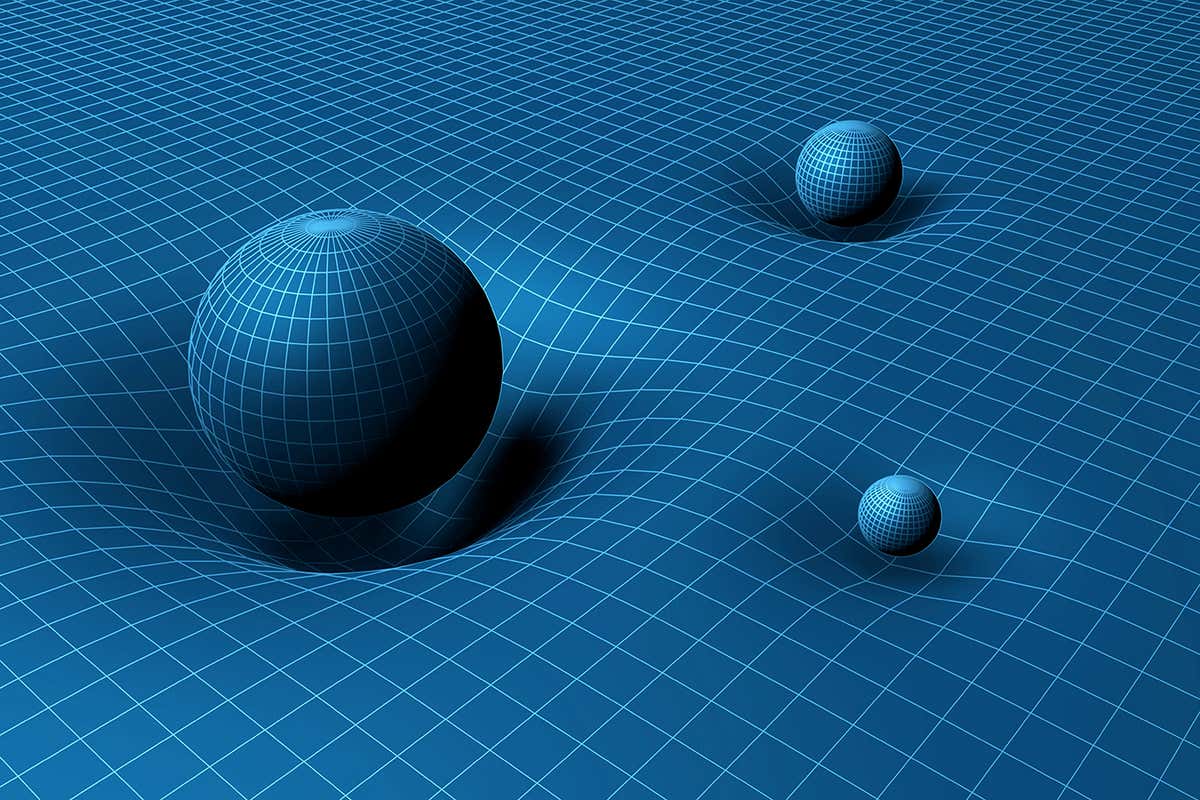
First, let’s start with a typical way to draw space-time. Pictures like the one below are meant to illustrate Einstein’s idea that gravity arises in the universe from massive objects distorting space-time. Placing a small object, say a marble, near one of these dimples would result in it rolling towards one of the larger objects, in much the same way that gravity pulls objects together.
The weight of different space objects influences the distortion of space-and-time
Manil Suri
However, the diagram is missing a lot. While the objects depicted are three dimensional, the space they’re curving is only two dimensional. Moreover, time seems to have been entirely omitted, so it’s pure space – not space-time – that’s curving.
Here’s my trick to get around this: simplify things by letting space be only one dimensional. This makes the total number of space-time dimensions a more manageable two.
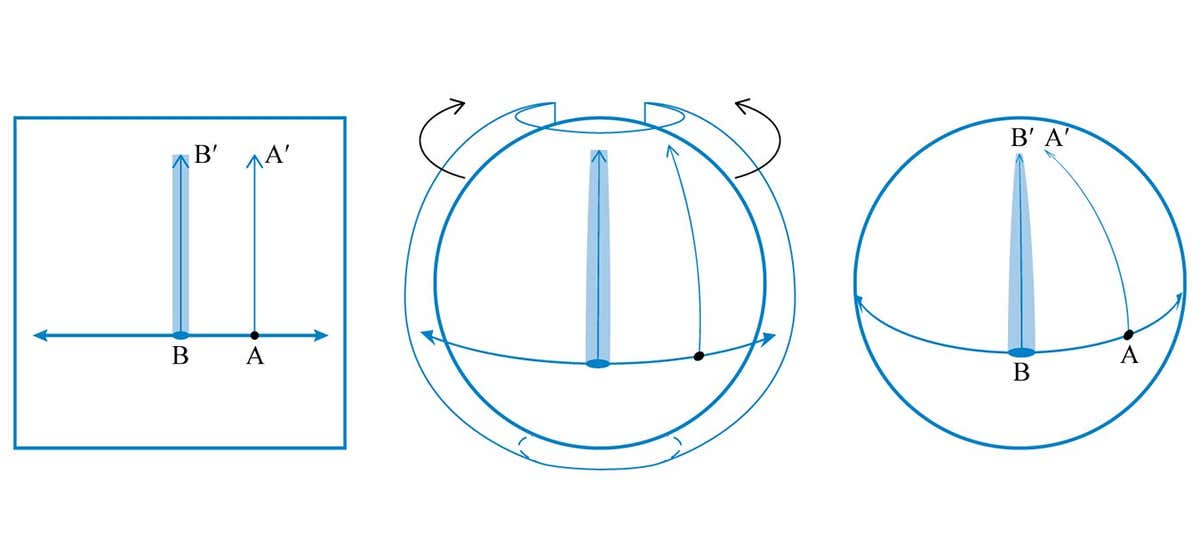
Now we can represent our 1-D space by the double-arrowed horizontal line in the left panel of the diagram below. Let time be represented by the perpendicular direction, giving a two-dimensional space-time plane. This plane is then successive snapshots, stacked one on top of the other, of where objects are located in the single space dimension at each instant.
Suppose now there are objects – say particles – at points A and B in our universe. Then if these particles remained at rest, their trajectories through space-time would just be the two parallel paths AA’ and BB’ as shown. This simply represents the fact that for every time instant, the particles remain exactly where they are in 1-D space. Such behaviour is what we’d expect in the absence of gravity or any other forces.
However, if gravity came into play, we would expect the two particles to draw closer to each other as time went on. In other words, A’ would be much closer to B’ than A was to B.
Now what if gravity, as Einstein proposed, wasn’t a force in the usual sense? What if it couldn’t act directly on A and B to bring them closer, but rather, could only cause such an effect by deforming the 2-D space-time plane? Would there be a suitable such deformation that would still result in A’ getting closer to B’?
Manil Suri
The answer is yes. Were the plane drawn on a rubber sheet, you could stretch it in various ways to easily verify that many such deformations exist. The one we’ll pick (why exactly, we’ll see below) is to wrap the plane around a sphere, as shown in the middle panel. This can be mathematically accomplished by the same method used to project a rectangular map of the world onto a globe. The formula this involves (called the “equirectangular projection”) has been known for almost two millennia: vertical lines on the rectangle correspond to lines of longitude on the sphere and horizontal ones to lines of latitude. You can see from the right panel that A’ has indeed gotten closer to B’, just as we might expect under gravity.
On the plane, the particles follow the shortest paths between A and A’, and B and B’, respectively. These are just straight lines. On the sphere, the trajectories AA’ and BB’ still represent shortest distance paths. This is because the shortest distance between two points on a spherical surface is always along one of the circles of maximal radius (these include, e.g., lines of longitude and the equator). Such curves that produce the shortest distance are called geodesics. So the geodesics AA’ and BB’ on the plane get transformed to corresponding geodesics on the sphere. (This wouldn’t necessarily happen for an arbitrary deformation, which is why we chose our wrapping around the sphere.)
Einstein postulated that particles not subject to external forces will always move through space-time along such “shortest path” geodesics. In the absence of gravity, these geodesics are just straight lines. Gravity, when introduced, isn’t counted as an external force. Rather, its effect is to curve space-time, hence changing the geodesics. The particles now follow these new geodesics, causing them to draw closer.
This is the key visualisation afforded by our simplified description of space-time. We can begin to understand how gravity, rather than being a force that acts mysteriously at a distance, could really be a result of geometry. How it can act to pull objects together via curvature built into space-time.
The above insight was fundamental to Einstein’s incorporation of gravity into his general theory of relativity. The actual theory is much more complicated, since space-time only curves in the local vicinity of bodies, not globally, as in our model. Moreover, the geometry involved must also respect the fact that nothing can travel faster than the speed of light. This effectively means that the concept of “shortest distance” has to also be modified, with the time dimension having to be treated very differently from the space dimensions.
Nevertheless, Einstein’s explanation posits, for instance, that the sun’s mass curves space-time in our solar system. That is why planets revolve around the sun rather than flying off in straight lines – they are just following the curved geodesics in this deformed space-time.
This has been confirmed by measuring how light from distant astronomical sources gets distorted by massive galaxies. Space-time truly is curved in our universe, it’s not just a mathematical convenience.
There’s a classical Buddhist parable about a group of blind men relying only on touch to figure out an animal unfamiliar to them – an elephant. Space-time is our elephant here – we can never hope to see it in its full 4-D form, or watch it curve to cause gravity. But the simplified visualisation presented here can help us better understand it .
The world has reached a pivotal moment as threats from Earth system tipping points – and progress towards positive tipping points – accelerate, a new report shows
Story highlights
Rapid changes to nature and societies already happening, and more coming
The report makes six key recommendations to change course fast
A cascade of positive tipping points would save millions of lives
Humanity is currently on a disastrous trajectory, according to the Global Tipping Points report, the most comprehensive assessment of tipping points ever conducted.
The report makes six key recommendations to change course fast, including coordinated action to trigger positive tipping points.
Behind the report is an international team of more than 200 scientists, coordinated by the University of Exeter, in partnership with Bezos Earth Fund. Centre researchers David Armstrong McKay, Steven Lade, Laura Pereira, and Johan Rockström have all contributed to the report.
A tipping point occurs when a small change sparks an often rapid and irreversible transformation, and the effects can be positive or negative.
Based on an assessment of 26 negative Earth system tipping points, the report concludes “business as usual” is no longer possible – with rapid changes to nature and societies already happening, and more coming.
With global warming now on course to breach 1.5°C, at least five Earth system tipping points are likely to be triggered – including the collapse of major ice sheets and widespread mortality of warm-water coral reefs.
As Earth system tipping points multiply, there is a risk of catastrophic, global-scale loss of capacity to grow staple crops. Without urgent action to halt the climate and ecological crisis, societies will be overwhelmed as the natural world comes apart.
Impacts of physical tipping points could trigger social tipping such as financial destabilization, disruption of social cohesion, and violent conflict that would further amplify impacts on people.
Centre researcher Steven Lade
Positive tipping points
But there are ways forward. Emergency global action – accelerated by leaders meeting now at COP28 – can harness positive tipping points and steer us towards a thriving, sustainable future.
The report authors lay out a out a blueprint for doing this, and says bold, coordinated policies could trigger positive tipping points across multiple sectors including energy, transport, and food.
A cascade of positive tipping points would save millions of lives, billions of people from hardship, trillions of dollars in climate-related damage, and begin restoring the natural world upon which we all depend.
Phase out fossil fuels and land-use emissions now, stopping them well before 2050.
Strengthen adaptation and “loss and damage” governance, recognising inequality between and within nations.
Include tipping points in the Global Stocktake (the world’s climate “inventory”) and Nationally Determined Contributions (each country’s efforts to tackle climate change)
Coordinate policy efforts to trigger positive tipping points.
Convene an urgent global summit on tipping points.
Deepen knowledge of tipping points. The research team supports calls for an IPCC Special Report on tipping points.
This report was released at COP28 and is being taken extremely seriously by scientists and news people alike – as it should be. Stuff really does need to happen and it’s positive that there are possibly points that we can use to tip the balance in our favour.
Using realistic ecological modeling, scientists led by Western Sydney University’s Jürgen Knauer found that the globe’s vegetation could actually be taking on about 20% more of the CO2 humans have pumped into the atmosphere and will continue to do so through to the end of the century.
“What we found is that a well-established climate model that is used to feed into global climate assessments by the likes of the IPCC (Intergovernmental Panel on Climate Change) predicts stronger and sustained carbon uptake until the end of the 21st century when extended to account for the impact of some critical physiological processes that govern how plants conduct photosynthesis,” said Knauer.
[…]
Current models, the team adds, are not that complex so likely underestimate future CO2 uptake by vegetation.
[…]
Taking the well-established Community Atmosphere-Biosphere Land Exchange model (CABLE), the team accounted for three physiological factors […] the team found that the most complex version, which accounted for all three factors, predicted the most CO2 uptake, around 20% more than the simplest formula.
[…]
“Our understanding of key response processes of the carbon cycle, such as plant photosynthesis, have advanced dramatically in recent years,” said Ben Smith, professor and research director of Western Sydney University’s Hawkesbury Institute for the Environment. “It always takes a while for new knowledge to make it into the sophisticated models we rely on to inform climate and emissions policy. Our study demonstrates that by fully accounting for the latest science in these models can lead to materially different predictions.
[…]
And while it’s somewhat good news, the team says plants can’t be expected to do all the heavy lifting; the onus remains on governments to stick to emission reduction obligations. However, the modeling makes a strong case for the value of greening projects and their importance in comprehensive approaches to tackling global warming.
Every clock has two fundamental properties: a certain precision and a certain time resolution. The time resolution indicates how small the time intervals are that can be measured—i.e., how quickly the clock ticks. Precision tells you how much inaccuracy you have to expect with every single tick.
The research team was able to show that since no clock has an infinite amount of energy available (or generates an infinite amount of entropy), it can never have perfect resolution and perfect precision at the same time. This sets fundamental limits to the possibilities of quantum computers.
[…]
Marcus Huber and his team investigated in general which laws must always apply to every conceivable clock. “Time measurement always has to do with entropy,” explains Marcus Huber. In every closed physical system, entropy increases and it becomes more and more disordered. It is precisely this development that determines the direction of time: the future is where the entropy is higher, and the past is where the entropy is even lower.
As can be shown, every measurement of time is inevitably associated with an increase in entropy: a clock, for example, needs a battery, the energy of which is ultimately converted into frictional heat and audible ticking via the clock’s mechanics—a process in which a fairly ordered state occurs the battery is converted into a rather disordered state of heat radiation and sound.
On this basis, the research team was able to create a mathematical model that basically every conceivable clock must obey. “For a given increase in entropy, there is a tradeoff between time resolution and precision,” says Florian Meier, first author of the second paper, now posted to the arXiv preprint server. “That means: Either the clock works quickly or it works precisely—both are not possible at the same time.”
[…]
“Currently, the accuracy of quantum computers is still limited by other factors, for example, the precision of the components used or electromagnetic fields. But our calculations also show that today we are not far from the regime in which the fundamental limits of time measurement play the decisive role.”
[…]
More information: Florian Meier et al, Fundamental accuracy-resolution trade-off for timekeeping devices, arXiv (2023). DOI: 10.48550/arxiv.2301.05173
Dirty air killed more than half a million people in the EU in 2021, estimates show, and about half of the deaths could have been avoided by cutting pollution to the limits recommended by doctors.
The researchers from the European Environment Agency attributed 253,000 early deaths to concentrations of fine particulates known as PM2.5 that breached the World Health Organization’s maximum guideline limits of 5µg/m3. A further 52,000 deaths came from excessive levels of nitrogen dioxide and 22,000 deaths from short-term exposure to excessive levels of ozone.
“The figures released today by the EEA remind us that air pollution is still the number one environmental health problem in the EU,” said Virginijus Sinkevičius, the EU’s environment commissioner.
Doctors say air pollution is one of the biggest killers in the world but death tolls will drop quickly if countries clean up their economies. Between 2005 and 2021, the number of deaths from PM2.5 in the EU fell 41%, and the EU aims to reach 55% by the end of the decade.
Researchers at the Zurich-based ETH public university, along with a US-based startup called Inkbit, have done the impossible. They’ve printed a robot hand complete with bones, ligaments and tendons for the very first time, representing a major leap forward in 3D printing technology. It’s worth noting that the various parts of the hand were printed simultaneously, and not cobbled together after the fact, as indicated in a research journal published in Nature.
Each of the robotic hand’s various parts were made from different polymers of varying softness and rigidity, using a new laser-scanning technique that lets 3D printers create “special plastics with elastic qualities” all in one go. This obviously opens up new possibilities in the fast-moving field of prosthetics, but also in any field that requires the production of soft robotic structures.
Basically, the researchers at Inkbit developed a method to 3D print slow-curing plastics, whereas the technology was previously reserved for fast-curing plastics. This hybrid printing method presents all kinds of advantages when compared to standard fast-cure projects, such as increased durability and enhanced elastic properties. The tech also allows us to mimic nature more accurately, as seen in the aforementioned robotic hand.
“Robots made of soft materials, such as the hand we developed, have advantages over conventional robots made of metal. Because they’re soft, there is less risk of injury when they work with humans, and they are better suited to handling fragile goods,” ETH Zurich robotics professor Robert Katzschmann writes in the study.
ETH Zurich/Thomas Buchner
This advancement still prints layer-by-layer, but an integrated scanner constantly checks the surface for irregularities before telling the system to move onto the next material type. Additionally, the extruder and scraper have been updated to allow for the use of slow-curing polymers. The stiffness can be fine-tuned for creating unique objects that suit various industries. Making human-like appendages is one use case scenario, but so is manufacturing objects that soak up noise and vibrations.
MIT-affiliated startup Inkbit helped develop this technology and has already begun thinking about how to make money off of it. The company will soon start to sell these newly-made printers to manufacturers but will also sell complex 3D-printed objects that make use of the technology to smaller entities.
Synex Medical, a Toronto-based biotech research firm backed by Sam Altman (the CEO of OpenAI), has developed a tool that can measure your blood glucose levels without a finger prick. It uses a combination of low-field magnets and low-frequency radio waves to directly measure blood sugar levels non-invasively when a user inserts a finger into the device.
The tool uses magnetic resonance spectroscopy (MRS), which is similar to an MRI. Jamie Near, an Associate Professor at the University of Toronto who specializes in the research of MRS technology told Engadget that, “[an] MRI uses magnetic fields to make images of the distribution of hydrogen protons in water that is abundant in our body tissues. In MRS, the same basic principles are used to detect other chemicals that contain hydrogen.” When a user’s fingertip is placed inside the magnetic field, the frequency of a specific molecule, in this case glucose, is measured in parts per million. While the focus was on glucose for this project, MRS could be used to measure metabolites, according to the Synex, including lactate, ketones and amino acids.
[…]
“MRI machines can fit an entire human body and have been used to target molecule concentrations in the brain through localized spectroscopy,” he explained. “Synex has shrunk this technology to measure concentrations in a finger. I have reviewed their white paper and seen the instrument work.” Simpson said Synex’s ability to retrofit MRS technology into a small box is an engineering feat.
[…]
But there is competition in the space for no-prick diagnostics tools. Know Labs is trying to get approval for a portable glucose monitor that relies on a custom-made Bio-RFID sensing technology, which uses radio waves to detect blood glucose levels in the palm of your hand. When the Know Labs device was tested up against a Dexcom G6 continuous glucose monitor in a study, readings of blood glucose levels using its palm sensor technology were “within threshold” only 46 percent of the time. While the readings are technically in accordance with FDA accuracy limits for a new blood glucose monitor, Know Labs is still working out kinks through scientific research before it can begin FDA clinical trials.
Another start-up, German company DiaMonTech, is currently developing a pocket-sized diagnostic device that is still being tested and fine-tuned to measure glucose through “photothermal detection.” It uses mid-infrared lasers that essentially scan the tissue fluid at the fingertip to detect glucose molecules. CNBCand Bloomberg reported that even Apple has been “quietly developing” a sensor that can check your blood sugar levels through its wearables, though the company never confirmed. A scientific director at Synex, Mohana Ray, told Engadget that eventually, the company would like to develop a wearable. But further miniaturization was needed before they could bring a commercial product to market.
An international team of scientists has reconstructed a historic record of the atmospheric trace gas carbon monoxide by measuring air in polar ice and air collected at an Antarctic research station.
The team, led by the French National Centre for Scientific Research (CNRS) and Australia’s national science agency, CSIRO, assembled the first complete record of carbon monoxide concentrations in the southern hemisphere, based on measurements of air.
The findings are published in the journal Climate of the Past.
The record spans the last three millennia. CSIRO atmospheric scientist Dr. David Etheridge said that the record provides a rare positive story in the context of climate change.
“Atmospheric carbon monoxide started climbing from its natural background level around the time of the industrial revolution, accelerating in the mid-1900s and peaking in the early-mid 1980s,” Dr. Etheridge said.
“The good news is that levels of the trace gas are now stable or even trending down and have been since the late 1980s—coinciding with the introduction of catalytic converters in cars.”
Carbon monoxide is a reactive gas that has important indirect effects on global warming. It reacts with hydroxyl (OH) radicals in the atmosphere, reducing their abundance. Hydroxyl acts as a natural “detergent” for the removal of other gases contributing to climate change, including methane. Carbon monoxide also influences the levels of ozone in the lower atmosphere. Ozone is a greenhouse gas.
The authors have high confidence that a major cause of the late 1980s-decline was improved combustion technologies including the introduction of catalytic converters, an exhaust systems device used in vehicles.
“The stabilization of carbon monoxide concentrations since the 1980s is a fantastic example of the role that science and technology can play in helping us understand a problem and help address it,” Dr. Etheridge said.
[…]
“Because carbon monoxide is a reactive gas, it is difficult to measure long term trends because it is unstable in many air sample containers. Cold and clean polar ice however preserves carbon monoxide concentrations for millennia,” Dr. Etheridge said.
The CO data will be used to improve Earth systems models. This will primarily enable scientists to understand the effects that future emissions of CO and other gases (such as hydrogen) will have on pollution levels and climate as the global energy mix changes into the future.
More information: Xavier Faïn et al, Southern Hemisphere atmospheric history of carbon monoxide over the late Holocene reconstructed from multiple Antarctic ice archives, Climate of the Past (2023). DOI: 10.5194/cp-19-2287-2023
In recent years, some researchers have been puzzled upon finding that water in their experiments, which was held in a sponge-like material known as a hydrogel, was evaporating at a higher rate than could be explained by the amount of heat, or thermal energy, that the water was receiving. And the excess has been significant — a doubling, or even a tripling or more, of the theoretical maximum rate.
After carrying out a series of new experiments and simulations, and reexamining some of the results from various groups that claimed to have exceeded the thermal limit, a team of researchers at MIT has reached a startling conclusion: Under certain conditions, at the interface where water meets air, light can directly bring about evaporation without the need for heat, and it actually does so even more efficiently than heat. In these experiments, the water was held in a hydrogel material, but the researchers suggest that the phenomenon may occur under other conditions as well.
The findings are published this week in a paper in PNAS, by MIT postdoc Yaodong Tu, professor of mechanical engineering Gang Chen, and four others.
[…]
The new findings come as a surprise because water itself does not absorb light to any significant degree. That’s why you can see clearly through many feet of clean water to the surface below. So, when the team initially began exploring the process of solar evaporation for desalination, they first put particles of a black, light-absorbing material in a container of water to help convert the sunlight to heat.
Then, the team came across the work of another group that had achieved an evaporation rate double the thermal limit — which is the highest possible amount of evaporation that can take place for a given input of heat, based on basic physical principles such as the conservation of energy. It was in these experiments that the water was bound up in a hydrogel. Although they were initially skeptical, Chen and Tu starting their own experiments with hydrogels, including a piece of the material from the other group. “We tested it under our solar simulator, and it worked,” confirming the unusually high evaporation rate, Chen says. “So, we believed them now.” Chen and Tu then began making and testing their own hydrogels.
[…]
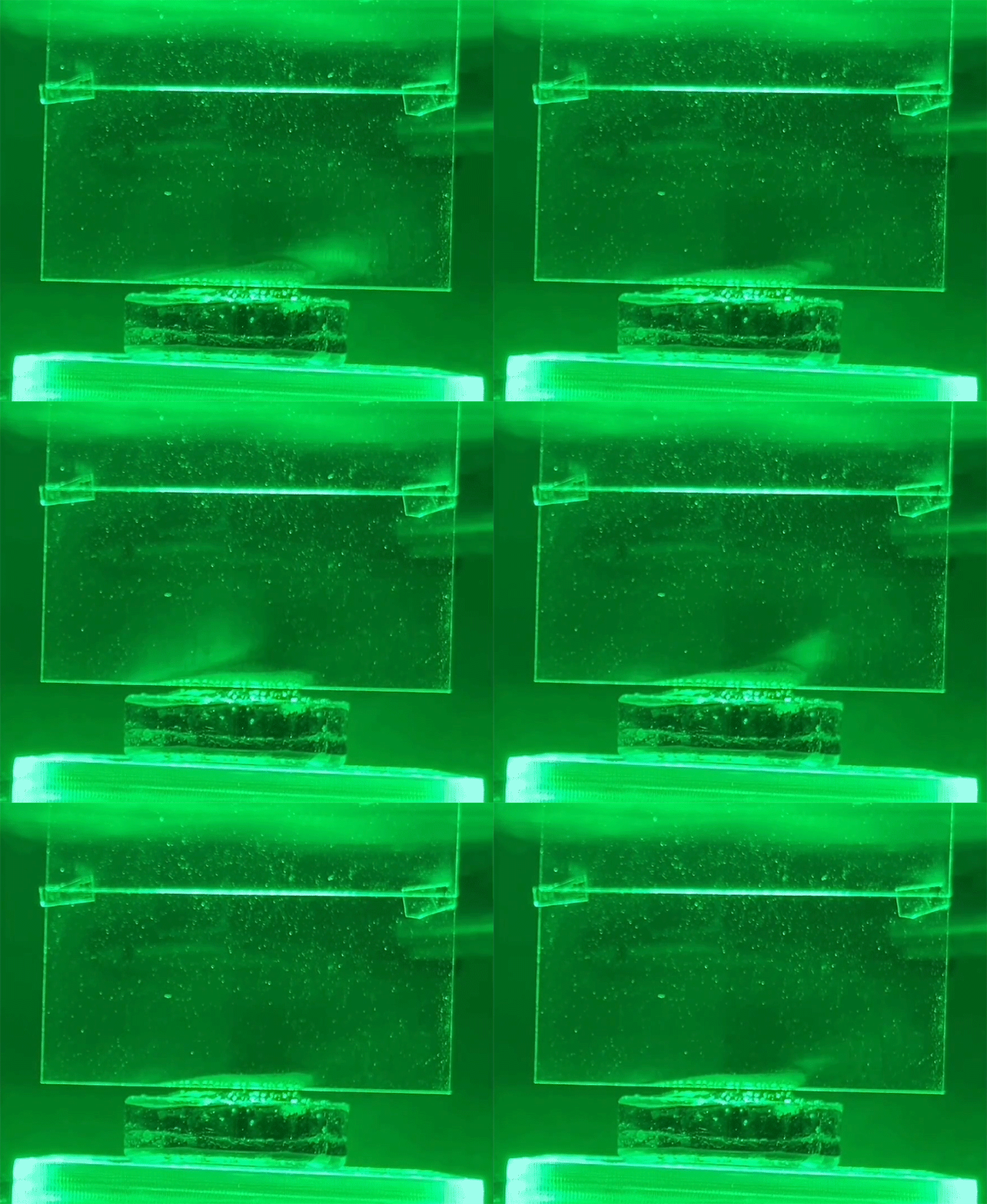
The researchers subjected the water surface to different colors of light in sequence and measured the evaporation rate. They did this by placing a container of water-laden hydrogel on a scale and directly measuring the amount of mass lost to evaporation, as well as monitoring the temperature above the hydrogel surface. The lights were shielded to prevent them from introducing extra heat. The researchers found that the effect varied with color and peaked at a particular wavelength of green light. Such a color dependence has no relation to heat, and so supports the idea that it is the light itself that is causing at least some of the evaporation.
The puffs of white condensation on glass is water being evaporated from a hydrogel using green light, without heat.
Image: Courtesy of the researchers
The researchers tried to duplicate the observed evaporation rate with the same setup but using electricity to heat the material, and no light. Even though the thermal input was the same as in the other test, the amount of water that evaporated never exceeded the thermal limit. However, it did so when the simulated sunlight was on, confirming that light was the cause of the extra evaporation.
Though water itself does not absorb much light, and neither does the hydrogel material itself, when the two combine they become strong absorbers, Chen says. That allows the material to harness the energy of the solar photons efficiently and exceed the thermal limit, without the need for any dark dyes for absorption.
Having discovered this effect, which they have dubbed the photomolecular effect, the researchers are now working on how to apply it to real-world needs.
The Library of Babel is a place for scholars to do research, for artists and writers to seek inspiration, for anyone with curiosity or a sense of humor to reflect on the weirdness of existence – in short, it’s just like any other library. If completed, it would contain every possible combination of 1,312,000 characters, including lower case letters, space, comma, and period. Thus, it would contain every book that ever has been written, and every book that ever could be – including every play, every song, every scientific paper, every legal decision, every constitution, every piece of scripture, and so on. At present it contains all possible pages of 3200 characters, about 104677 books.
Since I imagine the question will present itself in some visitors’ minds (a certain amount of distrust of the virtual is inevitable) I’ll head off any doubts: any text you find in any location of the library will be in the same place in perpetuity. We do not simply generate and store books as they are requested – in fact, the storage demands would make that impossible. Every possible permutation of letters is accessible at this very moment in one of the library’s books, only awaiting its discovery. We encourage those who find strange concatenations among the variations of letters to write about their discoveries in the forum, so future generations may benefit from their research.
A team of scientists at Northwestern University has developed a synthetic version of melanin that could have a million and one uses. In new research, they showed that their melanin can prevent blistering and accelerate the healing process in tissue samples of freshly injured human skin. The team now plans to further develop their “super melanin” as both a medical treatment for certain skin injuries and as a potential sunscreen and anti-aging skincare product.
[…] Most people might recognize melanin as the main driver of our skin color, or as the reason why some people will tan when exposed to the sun’s harmful UV rays. But it’s a substance with many different functions across the animal kingdom. It’s the primary ingredient in the ink produced by squids; it’s used by certain microbes to evade a host’s immune system; and it helps create the iridescence of some butterflies. A version of melanin produced by our brain cells might even protect us from neurodegenerative conditions like Parkinson’s.
[…]
Their latest work was published Thursday in the Nature Journal npj Regenerative Medicine. In the study, they tested the melanin on both mice and donated human skin tissue samples that had been exposed to potentially harmful things (the skin samples were exposed to toxic chemicals, while the mice were exposed to chemicals and UV radiation). In both scenarios, the melanin reduced or even entirely prevented the damage to the top and underlying layers of skin that would have been expected. It seemed to do this mainly by vacuuming up the damaging free radicals generated in the skin by these exposures, which in turn reduced inflammation and generally sped up the healing process.
The team’s creation very closely resembles natural melanin, to the extent that it seems to be just as biodegradable and nontoxic to the skin as the latter (in experiments so far, it doesn’t appear to be absorbed into the body when applied topically, further reducing any potential safety risks). But the ability to apply as much of their melanin as needed means that it could help repair skin damage that might otherwise overwhelm our body’s natural supply. And their version has been tweaked to be more effective at its job than usual.
[…]
It could have military applications—one line of research is testing whether the melanin can be used as a protective dye in clothing that would absorb nerve gas and other environmental toxins.
[…]
On the clinical side, they’re planning to develop the synthetic melanin as a treatment for radiation burns and other skin injuries. And on the cosmetic side, they’d like to develop it as an ingredient for sunscreens and anti-aging skincare products.
[…]
all of those important mechanisms we’re seeing [from the clinical research] are the same things that you look for in an ideal profile of an anti-aging cream, if you will, or a cream that tries to repair the skin.”
A research team in Finland, led by Robin Ras, from Aalto University, and aided by researchers from the University of Jyväskylä, has developed a mechanism to make water droplets slip off surfaces with unprecedented efficacy.
Cooking, transportation, optics and hundreds of other technologies are affected by how water sticks to surfaces or slides off them, and adoption of water-resistant surfaces in the future could improve many household and industrial technologies, such as plumbing, shipping and the auto industry.
The research team created solid silicon surfaces with a “liquid-like” outer layer that repels water by making droplets slide off surfaces. The highly mobile topcoat acts as a lubricant between the product and the water droplets.
The discovery challenges existing ideas about friction between solid surfaces and water, opening a new avenue for studying slipperiness at the molecular level.
Sakari Lepikko, the lead author of the study, which was published in Nature Chemistry on Monday, said: “Our work is the first time that anyone has gone directly to the nanometer-level to create molecularly heterogeneous surfaces.”
By carefully adjusting conditions, such as temperature and water content, inside a reactor, the team could fine-tune how much of the silicon surface the monolayer covered.
Ras said: “I find it very exciting that by integrating the reactor with an ellipsometer, that we can watch the self-assembled monolayers grow with extraordinary level of detail.
“The results showed more slipperiness when SAM [self-assembled monolayer] coverage was low or high, which are also the situations when the surface is most homogeneous. At low coverage, the silicon surface is the most prevalent component, and at high, SAMs are the most prevalent.”
Lepikko added: “It was counterintuitive that even low coverage yielded exceptional slipperiness.”
Using the new method, the team ended up creating the slipperiest liquid surface in the world.
According to Lepikko, the discovery promises to have implications wherever droplet-repellent surfaces are needed. This covers hundreds of examples from daily life to industrial environments.
[…]
“The main issue with a SAM coating is that it’s very thin, and so it disperses easily after physical contact. But studying them gives us fundamental scientific knowledge which we can use to create durable practical applications,” Lepikko said.
A group of scientists studying the effects of rocket and satellite reentry vaporization in Earth’s atmosphere have found some startling evidence that could point to disastrous environmental effects on the horizon.
The study, published in the Proceedings of the National Academy of Sciences, found that around 10 percent of large (>120 nm) sulfuric acid particles in the stratosphere contain aluminum and other elements consistent with the makeup of alloys used in spacecraft construction, including lithium, copper and lead. The other 90 percent comes from “meteoric smoke,” which are the particles left over when meteors vaporize during atmospheric entry, and that naturally-occurring share is expected to plummet drastically.
“The space industry has entered an era of rapid growth,” the boffins said in their paper, “with tens of thousands of small satellites planned for low earth orbit.
“It is likely that in the next few decades, the percentage of stratospheric sulfuric acid particles that contain aluminum and other metals from satellite reentry will be comparable to the roughly 50 percent that now contain meteoric metals,” the team concluded.
Atmospheric circulation at those altitudes (beginning somewhere between four and 12 miles above ground level and extending up to 31 miles above Earth) means such particles are unlikely to have an effect on the surface environment or human health, the researchers opined.
Stratospheric changes might be even scarier, though
Earth’s stratosphere has classically been considered pristine, said Dan Cziczo, one of the study’s authors and head of Purdue University’s department of Earth, atmospheric and planetary studies. “If something is changing in the stratosphere – this stable region of the atmosphere – that deserves a closer look.”
One of the major features of the stratosphere is the ozone layer, which protects Earth and its varied inhabitants from harmful UV radiation. It’s been harmed by human activity before action was taken, and an increase in aerosolized spacecraft particles could have several consequences to our planet.
One possibility is effects on the nucleation of ice and nitric acid trihydrate, which form in stratospheric clouds over Earth’s polar regions where currents in the mesosphere (the layer above the stratosphere) tend to deposit both meteoric and spacecraft aerosols.
Ice formed in the stratosphere doesn’t necessarily reach the ground, and is more likely to have effects on polar stratospheric clouds, lead author and National Oceanic and Atmospheric Administration scientists Daniel Murphy told The Register.
“Polar stratospheric clouds are involved in the chemistry of the ozone hole,” Murphy said. However, “it is too early to know if there is any impact on ozone chemistry,” he added
Along with changes in atmospheric ice formation and the ozone layer, the team said that more aerosols from vaporized spacecraft could change the stratospheric aerosol layer, something that scientists have proposed seeding in order to block more UV rays to fight the effects of global warming.
The materials being injected from spacecraft reentry is much smaller than amounts scientists have considered for intentional injection, Murphy told us. However, “intentional injection of exotic materials into the stratosphere could raise many of the same questions [as the paper] on an even bigger scale,” he noted.
[…]But these light sources [needed to experiment in the quantum realm] are not common. They’re expensive to build, require large amounts of land, and can be booked up by scientists months in advance. Now, a team of physicists posit that quasiparticles—groups of electrons that behave as if they were one particle—can be used as light sources in smaller lab and industry settings, making it easier for scientists to make discoveries wherever they are. The team’s research describing their findings is published today in Nature Photonics.
“No individual particles are moving faster than the speed of light, but features in the collection of particles can, and do,” said John Palastro, a physicist at the Laboratory for Laser Energetics at the University of Rochester and co-author of the new study, in a video call with Gizmodo. “This does not violate any rules or laws of physics.”
[…]
In their paper, the team explores the possibility of making plasma accelerator-based light sources as bright as larger free electron lasers by making their light more coherent, vis-a-vis quasiparticles. The team ran simulations of quasiparticles’ properties in a plasma using supercomputers made available by the European High Performance Computing Joint Undertaking (EuroHPC JU), according to a University of Rochester release.
[…]
In a linear accelerator, “every electron is doing the same thing as the collective thing,” said Bernardo Malaca, a physicist at the Instituto Superior Técnico in Portugal and the study’s lead author, in a video call with Gizmodo. “There is no electron that’s undulating in our case, but we’re still making an undulator-like spectrum.”
The researchers liken quasiparticles to the Mexican wave, a popular collective behavior in which sports fans stand up and sit down in sequence. A stadium full of people can give the illusion of a wave rippling around the venue, though no one person is moving laterally.
“One is clearly able to see that the wave could in principle travel faster than any human could, provided the audience collaborates. Quasiparticles are very similar, but the dynamics can be more extreme,” said co-author Jorge Vieira, also a physicist at the Instituto Superior Técnico, in an email to Gizmodo. “For example, single particles cannot travel faster than the speed of light, but quasiparticles can travel at any velocity, including superluminal.”
“Because quasiparticles are a result of a collective behavior, there are no limits for its acceleration,” Vieira added. “In principle, this acceleration could be as strong as in the vicinity of a black-hole, for example.”
[…]
The difference between what is perceptually happening and actually happening regarding traveling faster than light is an “unneeded distinction,” Malaca said. “There are actual things that travel faster than light, which are not individual particles, but are waves or current profiles. Those travel faster than light and can produce real faster-than-light-ish effects. So you measure things that you only associate with superluminal particles.”
The group found that the electrons’ collective quality doesn’t have to be as pristine as the beams produced by large facilities, and could practically be implemented in more “table-top” settings, Palastro said. In other words, scientists could run experiments using very bright light sources on-site, instead of having to wait for an opening at an in-demand linear accelerator.
The vaccine has been developed by the University of Oxford and is only the second malaria vaccine to be developed.
Malaria kills mostly babies and infants, and has been one of the biggest scourges on humanity.
There are already agreements in place to manufacture more than 100 million doses a year.
It has taken more than a century of scientific effort to develop effective vaccines against malaria.
The disease is caused by a complex parasite, which is spread by the bite of blood-sucking mosquitoes. It is far more sophisticated than a virus as it hides from our immune system by constantly shape-shifting inside the human body.
[…]
The WHO said the effectiveness of the two vaccines was “very similar” and there was no evidence one was better than the other.
However, the key difference is the ability to manufacture the University of Oxford vaccine – called R21 – at scale.
The world’s largest vaccine manufacturer – the Serum Institute of India – is already lined up to make more than 100 million doses a year and plans to scale up to 200 million doses a year.
The WHO said the new R21 vaccine would be a “vital additional tool”. Each dose costs $2-4 (£1.65 to £3.30) and four doses are needed per person. That is about half the price of RTS,S.
[…]
That makes it hard to build up immunity naturally through catching malaria, and difficult to develop a vaccine against it.
It is almost two years to the day since the first vaccine – called RTS,S and developed by GSK – was backed by the WHO.
Climate breakdown is already changing the taste and quality of beer, scientists have warned.
The quantity and quality of hops, a key ingredient in most beers, is being affected by global heating, according to a study. As a result, beer may become more expensive and manufacturers will have to adapt their brewing methods.
Researchers forecast that hop yields in European growing regions will fall by 4-18% by 2050 if farmers do not adapt to hotter and drier weather, while the content of alpha acids in the hops, which gives beers their distinctive taste and smell, will fall by 20-31%.
“Beer drinkers will definitely see the climate change, either in the price tag or the quality,” said Miroslav Trnka, a scientist at the Global Change Research Institute of the Czech Academy of Sciences and co-author of the study, published in the journal Nature Communications. “That seems to be inevitable from our data.”
Beer, the third-most popular drink in the world after water and tea, is made by fermenting malted grains like barley with yeast. It is usually flavoured with aromatic hops grown mostly in the middle latitudes that are sensitive to changes in light, heat and water.
The clouds around Japan’s Mount Fuji and Mount Oyama contain concerning levels of the tiny plastic bits, and highlight how the pollution can be spread long distances, contaminating the planet’s crops and water via “plastic rainfall”.
The plastic was so concentrated in the samples researchers collected that it is thought to be causing clouds to form while giving off greenhouse gasses.
“If the issue of ‘plastic air pollution’ is not addressed proactively, climate change and ecological risks may become a reality, causing irreversible and serious environmental damage in the future,” the study’s lead author, Hiroshi Okochi, a professor at Waseda University, said in a statement.
The peer-reviewed paper was published in Environmental Chemistry Letters, and the authors believe it is the first to check clouds for microplastics.
[…]
Waseda researchers gathered samples at altitudes ranging between 1,300-3,776 meters, which revealed nine types of polymers, like polyurethane, and one type of rubber. The cloud’s mist contained about 6.7 to 13.9 pieces of microplastics per litre, and among them was a large volume of “water loving” plastic bits, which suggests the pollution “plays a key role in rapid cloud formation, which may eventually affect the overall climate”, the authors wrote in a press release.
That is potentially a problem because microplastics degrade much faster when exposed to ultraviolet light in the upper atmosphere, and give off greenhouse gasses as they do. A high concentration of these microplastics in clouds in sensitive polar regions could throw off the ecological balance, the authors wrote.
The findings highlight how microplastics are highly mobile and can travel long distances through the air and environment. Previous research has found the material in rain, and the study’s authors say the main source of airborne plastics may be seaspray, or aerosols, that are released when waves crash or ocean bubbles burst. Dust kicked up by cars on roads is another potential source, the authors wrote.
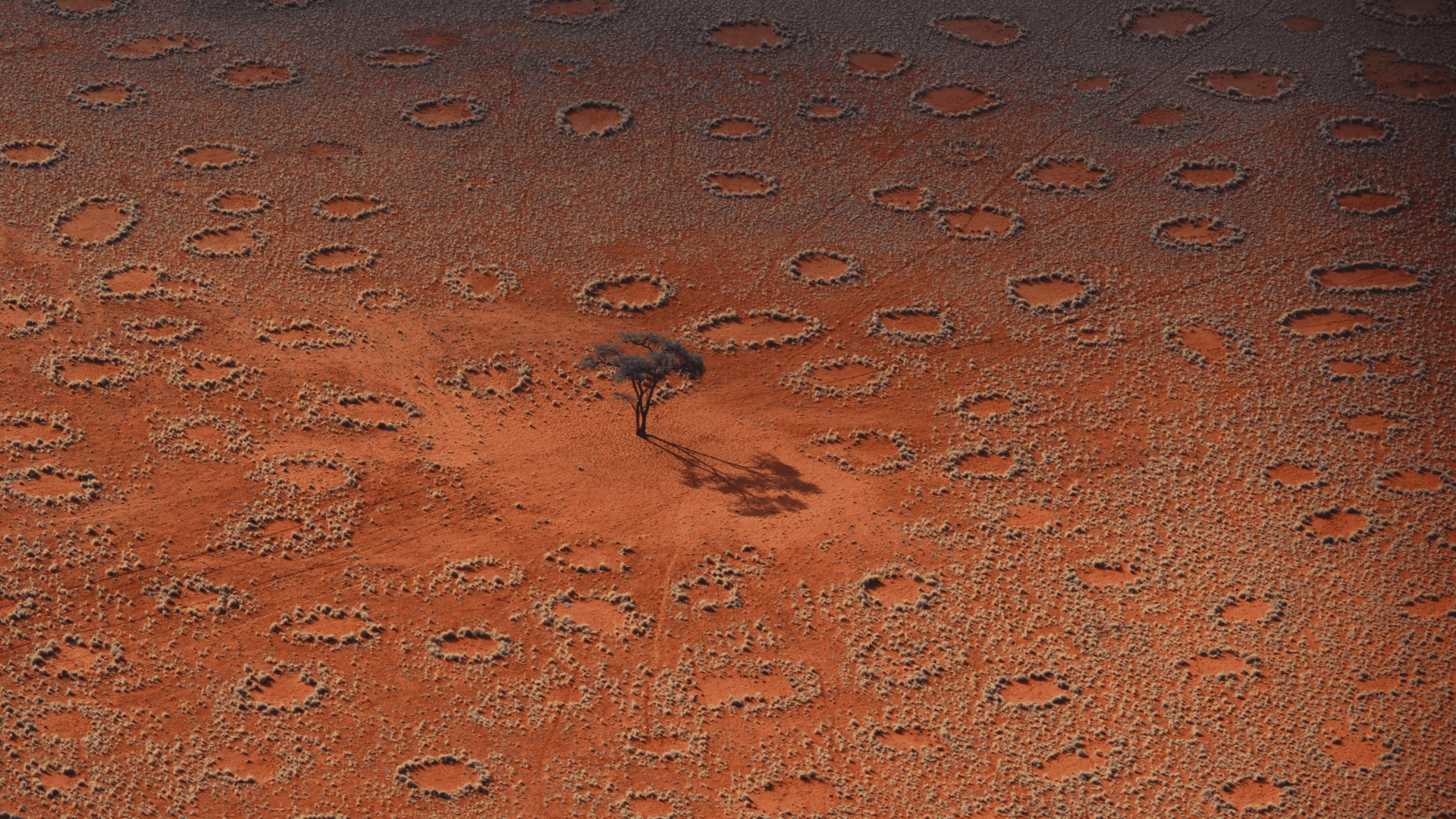
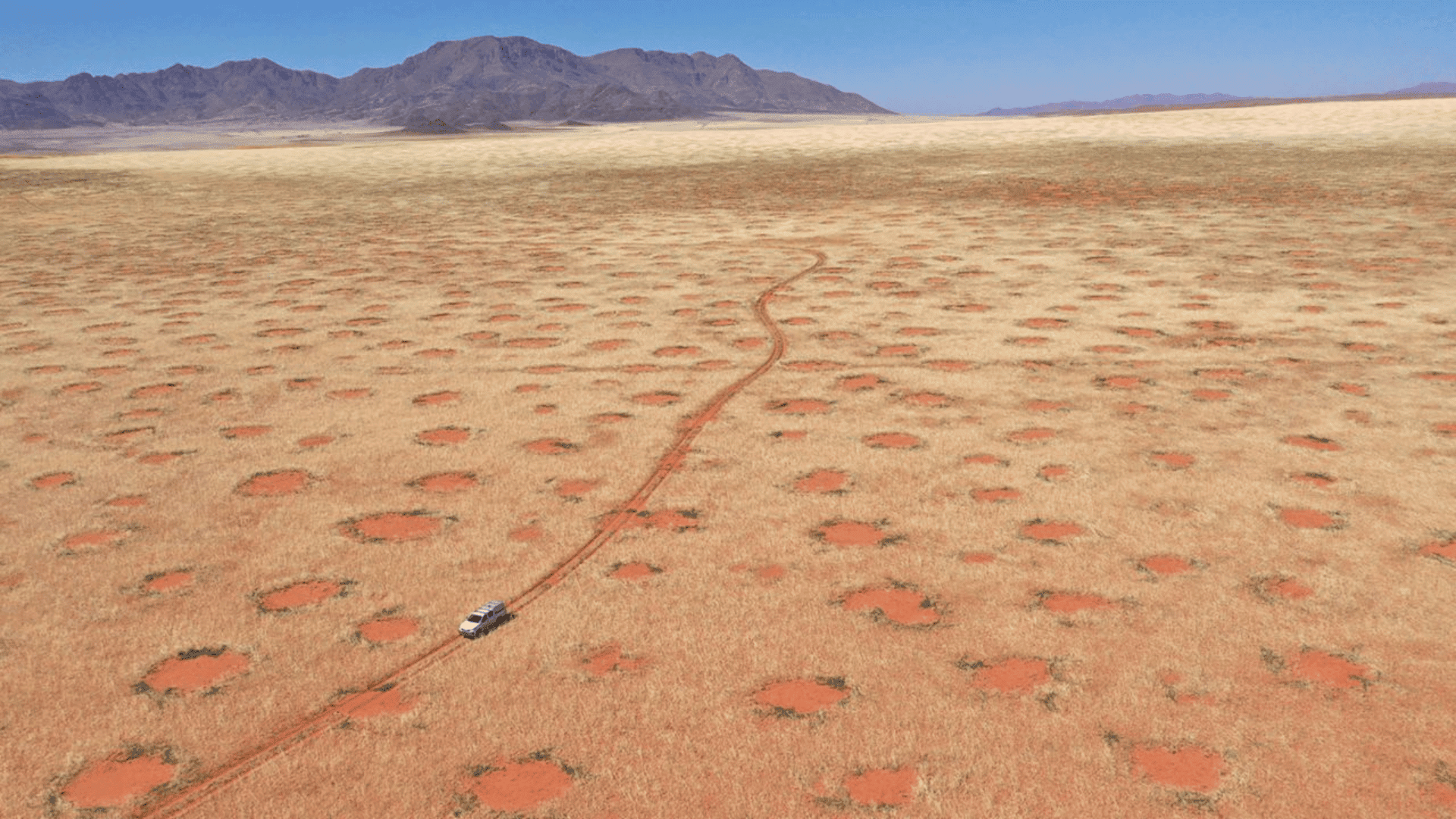
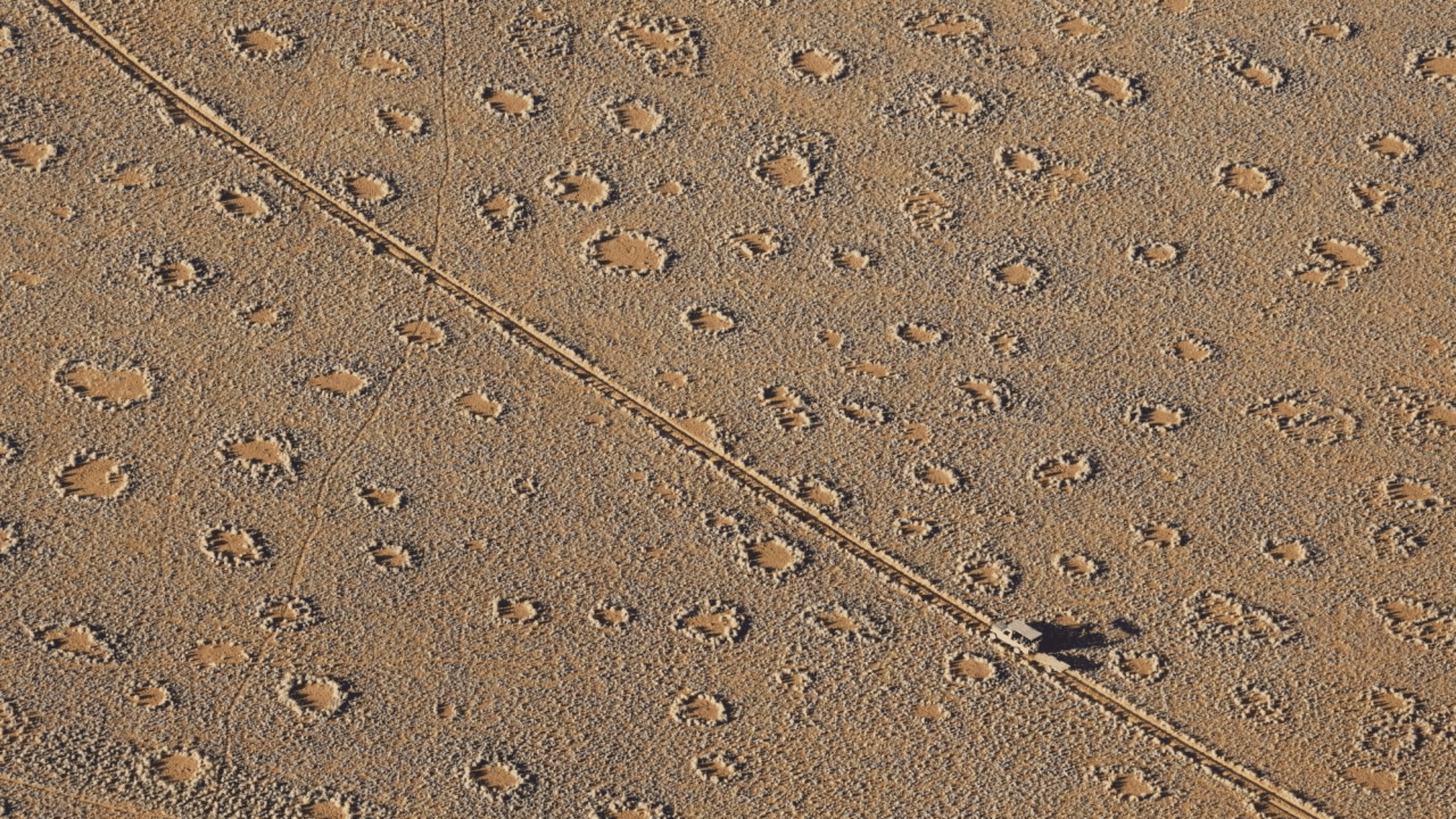
Round discs of dirt known as “fairy circles” mysteriously appear like polka dots on the ground that can spread out for miles. The origins of this phenomenon has intrigued scientists for decades, with recent research indicating that they may be more widespread than previously thought.
Fairy circles in NamibRand Nature Reserve in Namibia; Photo: N. Juergens/AAAS/Science
Fairy circles have previously been sighted only in Southern Africa’s Namid Desert and the outback of Western Australia. A new study was recently published which used artificial intelligence to identify vegetation patterns resembling fairy circles in hundreds of new locations across 15 countries on 3 continents.
Published in the journal Proceedings of the National Academy of Sciences, the new survey analyzed datasets containing high-resolution satellite images of drylands and arid ecosystems with scant rainfall from around the world.
Examining the new findings may help scientists understand fairy circles and the origins of their formations on a global scale. The researchers searched for patterns resembling fairy circles using a neural network or a type of AI that processes information in a manner that’s similar to the human brain.
“The use of artificial intelligence based models on satellite imagery is the first time it has been done on a large scale to detect fairy-circle like patterns,” said lead study author Dr. Emilio Guirado, a data scientist with the Multidisciplinary Institute for Environmental Studies at the University of Alicante in Spain.
Drone flies over the NamibRand Nature Reserve; Photo: Dr. Stephan Getzin
The scientists first trained the neural network to recognize fairy circles by inputting more than 15,000 satellite images taken over Nambia and Australia. Then they provided the AI dataset with satellite views of nearly 575,000 plots of land worldwide, each measuring approximately 2.5 acres.
The neural network scanned vegetation in those images and identified repeating circular patterns that resembled fairy circles, evaluating the circles’ shapes, sizes, locations, pattern densities, and distribution. The output was then reviewed by humans to double-check the work of the neural network.
“We had to manually discard some artificial and natural structures that were not fairy circles based on photo-interpretation and the context of the area,” Guirado explained.
The results of the study showed 263 dryland locations that contained circular patterns similar to the fairy circles in Namibia and Australia. The spots were located in Africa, Madagascar, Midwestern Asia, and both central and Southwest Australia.
New fairy circles identified around the world; Photo: Dressler/imageBROKER/Shutterstock
The authors of the study also collected environmental data where the new circles were identified in hopes that this may indicate what causes them to form. They determined that fairy circle-like patterns were most likely to occur in dry, sandy soils that were high-alkaline and low in nitrogen. They also found that these patterns helped stabilize ecosystems, increasing an area’s resistance to disturbances such as extreme droughts and floods.
There are many different theories among experts regarding the creation of fairy circles. They may be caused by certain climate conditions, self-organization in plants, insect activity, etc. The authors of the new study are optimistic that the new findings will help unlock the mysteries of this unique phenomenon.
How massive is the Milky Way? It’s an easy question to ask, but a difficult one to answer. Imagine a single cell in your body trying to determine your total mass, and you get an idea of how difficult it can be. Despite the challenges, a new study has calculated an accurate mass of our galaxy, and it’s smaller than we thought.
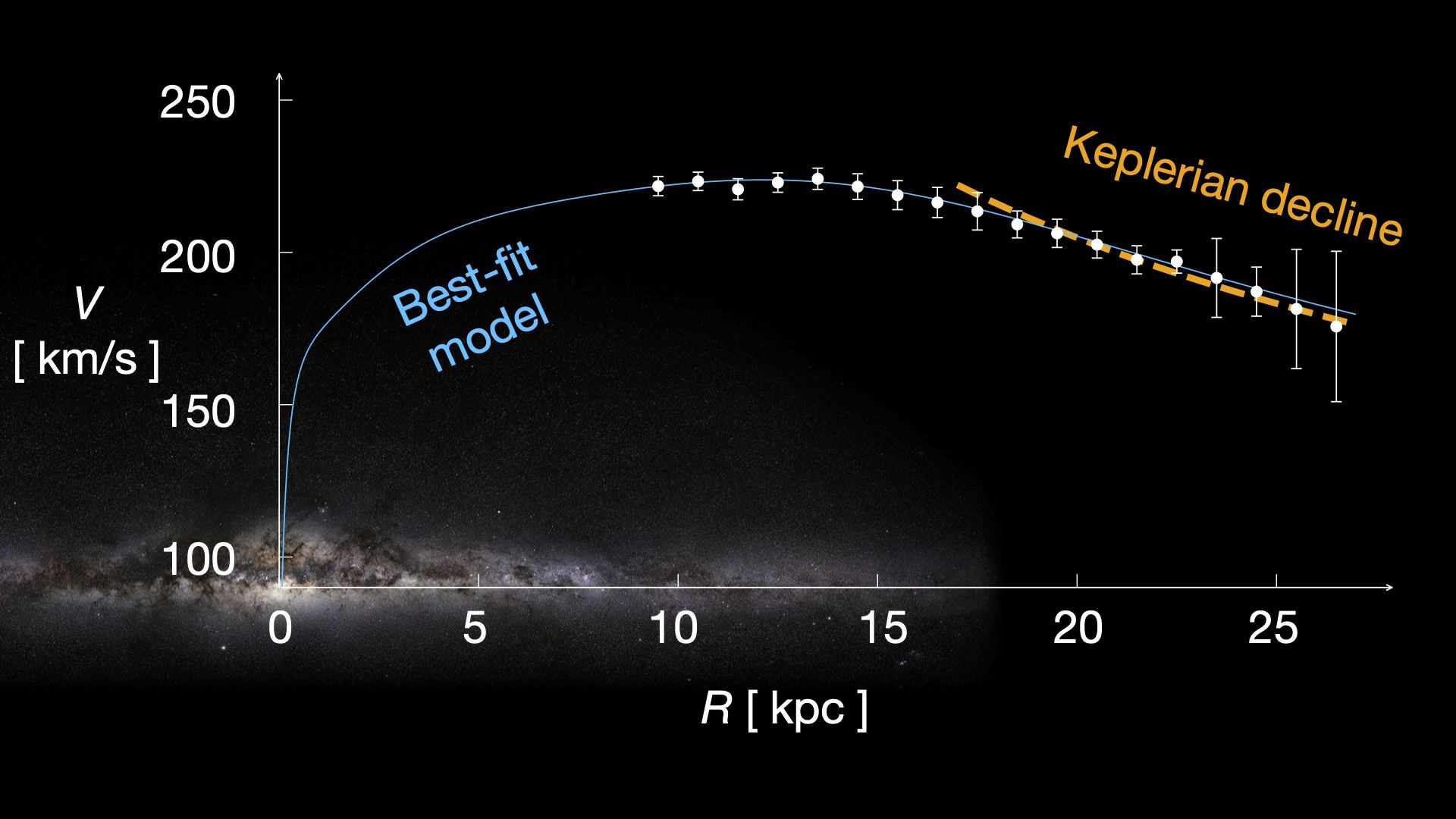
One way to determine a galaxy’s mass is by looking at what’s known as its rotation curve. Measure the speed of stars in a galaxy versus their distance from the galactic center. The speed at which a star orbits is proportional to the amount of mass within its orbit, so from a galaxy’s rotation curve you can map the function of mass per radius and get a good idea of its total mass. We’ve measured the rotation curves for several nearby galaxies such as Andromeda, so we know the masses of many galaxies quite accurately.
But since we are in the Milky Way itself, we don’t have a great view of stars throughout the galaxy. Toward the center of the galaxy, there is so much gas and dust we can’t even see stars on the far side. So instead we measure the rotation curve using neutral hydrogen, which emits faint light with a wavelength of about 21 centimeters. This isn’t as accurate as stellar measurements, but it has given us a rough idea of our galaxy’s mass. We’ve also looked at the motions of the globular clusters that orbit in the halo of the Milky Way. From these observations, our best estimate of the mass of the Milky Way is about a trillion solar masses, give or take.
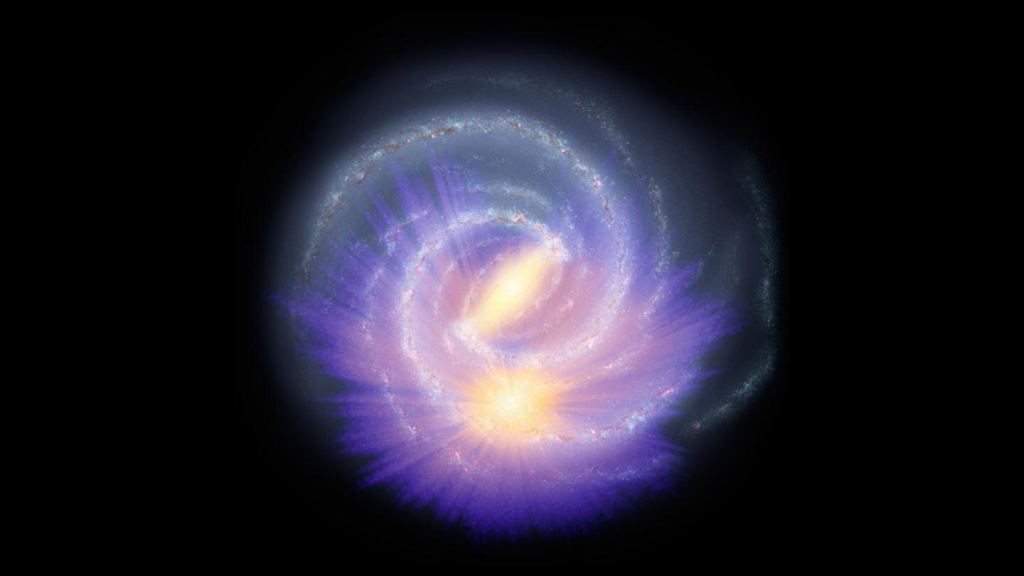
The distribution of stars seen by the Gaia surveys. Credit: Data: ESA/Gaia/DPAC, A. Khalatyan(AIP) & StarHorse team; Galaxy map: NASA/JPL-Caltech/R. Hurt
This new study is based on the third data release of the Gaia spacecraft. It contains the positions of more than 1.8 billion stars and the motions of more than 1.5 billion stars. While this is only a fraction of the estimated 100-400 billion stars in our galaxy, it is a large enough number to calculate an accurate rotation curve. Which is exactly what the team did. Their resulting rotation curve is so precise, that the team could identify what’s known as the Keplerian decline. This is the outer region of the Milky Way where stellar speeds start to drop off roughly in accordance with Kepler’s laws since almost all of the galaxy’s mass is closer to the galactic center.
The Keplerian decline allows the team to place a clear upper limit on the mass of the Milky Way. What they found was surprising. The best fit to their data placed the mass at about 200 billion solar masses, which is a fifth of previous estimates. The absolute upper mass limit for the Milky Way is 540 billion, meaning that the Milky Way is at least half as massive as we thought. Given the amount of known regular matter in the galaxy, this means the Milky Way has significantly less dark matter than we thought.
When contemplating the emissions from road vehicles, our first thought is often about the various gases coming out of the tailpipe. However, new research shows that we should be more concerned with the harmful particles that are shed from tires and brakes.
Scientists have a good understanding of engine emissions, which typically consist of unburnt fuel, oxides of carbon and nitrogen, and particulate matter related to combustion. However, new research shared by Yale Environment 360 indicates that there may be a whole host of toxic chemicals being shed from tires and brakes that have been largely ignored until now. Even worse, these emissions may be so significant that they actually exceed those from a typical car’s exhaust output.
A research paper published in 2020 highlighted the impact of tire pollution by examining the plight of coho salmon in West Coast streams. Scientists eventually identified a chemical called 6PPD, typically used in tire manufacturing to slow cracking and degradation. When exposed to ozone in the atmosphere, the chemical transforms into multiple other species, including 6PPD-quinone—which was found to be highly toxic to multiple fish, including coho salmon. The same chemical has since been detected in human urine, though any potential health impacts remain unknown.
The discovery of 6PPD-q and its impact has brought new scrutiny to the pollution generated by particles shedding from tires and brakes. In particular, tire rubber is made up of over 400 different chemical compounds, many of which are known to have negative effects on human health.
Particulate emissions from tires—and, to a lesser extent, brakes—are becoming a new focus for researchers looking into automobile pollution.
New research efforts are only just beginning to reveal the impact of near-invisible tire and brake dust. A report from the Pew Charitable Trust found that 78 percent of ocean microplastics are from synthetic tire rubber. These toxic particles often end up ingested by marine animals, where they can cause neurological effects, behavioral changes, and abnormal growth.
Meanwhile, British firm Emissions Analytics spent three years studying tires. The group found that a single car’s four tires collectively release 1 trillion “ultrafine” particles for every single kilometer (0.6 miles) driven. These particles, under 100 nanometers in size, are so tiny that they can pass directly through the lungs and into the blood. They can even cross the body’s blood-brain barrier. The Imperial College London has also studied the issue, noting that “There is emerging evidence that tire wear particles and other particulate matter may contribute to a range of negative health impacts including heart, lung, developmental, reproductive, and cancer outcomes.”
It’s an emissions problem that won’t go away with the transition to EVs, either. According to data from Emissions Analytics, EVs tend to shed around 20 percent more from their tires due to their higher weight and high torque compared to traditional internal combustion engine-powered vehicles.
Indeed, the scale of these emissions is significant. Particulate emissions from tires and brakes, particularly in the PM2.5 and PM10 size ranges, are believed to exceed the mass of tailpipe emissions from modern vehicle fleets, as per a study published in Science of the Total Environmentthis year.
This issue has largely flown under the radar until recently. Tailpipe emissions are easy to study, simply requiring the capture or sensing of gases directly at the engine’s exhaust. Capturing the fine particulates emitted from tires and brakes is altogether more difficult. Doing so in a way that accurately reflects the quantity of those emissions is yet harder. Such pollution is perhaps unlikely to have a direct impact on issues like climate change, but the potential toxicity for humans, animals, and the broader environment is a prime concern.
Regulators are already scrambling to tackle this issue, heretofore largely ignored by governments around the world. In the EU, the Euro 7 standards will regulate tire and brake emissions from 2025. In the U.S., the California EPA will require tire manufacturers to find an alternative chemical to 6PPD by 2024, to help reduce 6PPD-q entering the environment going forward. In turn, manufacturers are exploring everything from alternate tire compositions to special electrostatic methods to capture particulate output.
Expect this issue to gain greater prominence in coming years as regulators have more accurate data to act upon. There is great scope to slash this form of pollution if we properly understand the impacts of our cars in full.
Researchers at the University of California San Diego have figured out a way to turn everyday earbuds into high-tech gadgets that can record electrical activity inside the brain. The 3D screen-printed, flexible sensors are not only able to detect electrophysiological activity coming from the brain but they can also harvest sweat. Yes, sweat.
More specifically, sweat lactate, which is an organic acid that the body produces during exercise and normal metabolic activity. Because the ear contains sweat glands and is anatomically adjacent to the brain, earbuds are an ideal tool to gather this kind of data.
You may be wondering why scientists are interested in collecting biometric info about brain activity at the intersection of human sweat. Together, EEG and sweat lactate data can be used to diagnose different types of seizures. There are more than 30 different types of recorded seizures, which are categorized differently according to the areas of the brain that are impacted during an event.
But even beyond diagnostics, these variables can be helpful if you want to get a better picture of personal performance during exercise. Additionally, these biometric data points can be used to monitor stress and focus levels.
Erik Jepsen, UC San Diego
And while in-ear sensing of biometric data is not a new innovation, the sensor technology is unique in that it can measure both brain activity and lactate. However, what’s more important is that the researchers believe, with more refinement and development, we will eventually see more wearables that use neuroimaging sensors like the one being made to collect health data on everyday devices. In a statement, UC San Diego bioengineering professor Gert Cauwenberghs said that, “Being able to measure the dynamics of both brain cognitive activity and body metabolic state in one in-ear integrated device,” can open up tremendous opportunities for everyday health monitoring.
[…]
Despite their capabilities and rosy future as a potential diagnostic aid, the 3D printed sensors really need a considerable amount of sweat in order to be useful for data analysis. But the researchers said down the line the sensors will be more precise, so hard workouts may not be necessary for meaningful sweat analysis.
The ability to regrow your own teeth could be just around the corner.
A team of scientists, led by a Japanese pharmaceutical startup, are getting set to start human trials on a new drug that has successfully grown new teeth in animal test subjects.
Toregem Biopharma is slated to begin clinical trials in July of next year after it succeeded growing new teeth in mice five years ago, the Japan Times reports.
Dr. Katsu Takahashi, a lead researcher on the project and head of the dentistry and oral surgery department at the Medical Research Institute Kitano Hospital, says “the idea of growing new teeth is every dentist’s dream.”
In his research, which he’s been conducting at Kyoto University since 2005, Takahashi learned of a particular gene in mice that affects the growth of their teeth.
The antibody for this gene, USAG-1, can help stimulate tooth growth if it is suppressed – and scientists have since worked to develop a “neutralizing antibody medicine” that is able to block USAG-1.
Now, his team has been testing the theory that “blocking” this protein could grow more teeth.
After their successful tests on mice, the team went on to perform similarly positive trials on ferrets – animals who have a similar dental pattern to humans.
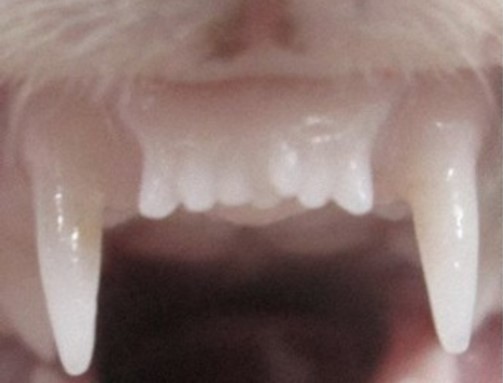
The front teeth of a ferret treated with tooth regrowth medicine. The medicine induced the growth of an additional seventh tooth (centre). Courtesy / Dr. Katsu Takahash
Now, testing will turn to healthy adult humans and, if all goes well, the team plans to hold a clinical trial for the drug from 2025 for children between two and six years old with anodontia – a rare genetic disorder that results in the absence of six or more baby and/or adult teeth.
According to the Japan Times, the children involved in the clinical trial will be injected with one dose of the drug to see if it induces teeth growth.
If successful, the medicine could be available for regulatory approval by 2030.
Takahashi hopes the new medicine could be just another option for those who don’t have a full set of teeth.
“In any case, we’re hoping to see a time when tooth-regrowth medicine is a third choice alongside dentures and implants,” Takahashi told Mainichi.