The Linkielist

Linking ideas with the world

The Linkielist

‘I am done with open source’: Developer of Rust Actix web framework quits, appoints new maintainer

The maintainer of the Actix web framework, written in Rust, has quit the project after complaining of a toxic web community – although over 100 Actix users have since signed a letter of support for him.

Actix Web was developed by Nikolay Kim, who is also a senior software engineer at Microsoft, though the Actix project is not an official Microsoft project. Actix Web is based on Actix, a framework for Rust based on the Actor model, also developed by Kim.

The web framework is important to the Rust community partly because it addresses a common use case (development web applications) and partly because of its outstanding performance. For some tests, Acitx tops the Techempower benchmarks.

The project is open source and while it is popular, there has been some unhappiness among users about its use of “unsafe” code. In Rust, there is the concept of safe and unsafe. Safe code is protected from common bugs (and more importantly, security vulnerabilities) arising from issues like variables which point to uninitialized memory, or variables which are used after the memory allocated to them has been freed, or attempting to write data to a variable which exceeds the memory allocated. Code in Rust is safe by default, but the language also supports unsafe code, which can be useful for interoperability or to improve performance.

Actix is top of the Techempower benchmarks on some tests

Actix is top of the Techempower benchmarks on some tests

There is extensive use of unsafe code in Actix, leading to debate about what should be fixed. Kim was not always receptive to proposed changes. Most recently, developer Sergey Davidoff posted about code which “violates memory safety by handing out multiple mutable references to the same data, which can lead to, eg, a use-after-free vulnerability.”

Davidoff also stated that: “I have reported the issue to the maintainers, but they have refused to investigate it,” referring to a bug report which Kim deleted.

Debate on this matter on the Reddit Rust forum became heated and personal, the key issue being not so much the existence of real or potential vulnerabilities, but Kim’s habit of ignoring or deleting some reports. Kim decided to quit. On January 17th, he posted an “Actix project postmortem”, defending his position and complaining about the community response.

“Be[ing] a maintainer of large open source project is not a fun task. You[‘re] alway[s] face[d] with rude[ness] and hate, everyone knows better how to build software, nobody wants to do homework and read docs and think a bit and very few provide any help. … You could notice after each unsafe shitstorm, i started to spend less and less time with the community. … Nowadays supporting actix project is not fun, and be[ing] part of rust community is not fun as well. I am done with open source.”

Kim said that he did not ignore or delete issues arbitrarily, but only because he felt he had a better or more creative solution than the one proposed – while also acknowledging that the “removing issue was a stupid idea.” He also threatened to “make [Actix] repos private and then delete them.”

Over on the official Actix forum, he said he was “highly sceptical about fork viability” perhaps because, at least according to him, “no one showed any sign of project architecture understanding.”

So long, and good luck

Since then, matters have improved. The Github repository was restored and Kim said:

I realized, a lot of people depend on actix. And it would be unfair to just delete repos. I promote @JohnTitor to project leader. He did very good job helping me for the last year. I hope new community of developers emerge. And good luck!

In addition, Kim has started winning support from many community members, as evidenced by a letter with over 100 signatories thanking him and stating: “We are extremely disappointed at the level of abuse directed towards you.”

The episode demonstrates that expert developers are often not expert in managing the human relations aspect of projects that can become significant. It also shows how some contributors and users do not practice best behaviour in online interactions, forgetting the extent of the work done by volunteers and for which, it’s worth noting, they have paid nothing.

Positive recent developments may mean that Actix development continues, that bugs and security vulnerabilities are fixed, and that its community gets a better handle on how to proceed constructively. ®

Source: ‘I am done with open source’: Developer of Rust Actix web framework quits, appoints new maintainer • The Register

Injecting the flu vaccine into a tumor gets the immune system to attack it

Now, some researchers have focused on the immune response, inducing it at the site of the tumor. And they do so by a remarkably simple method: injecting the tumor with the flu vaccine. As a bonus, the mice it was tested on were successfully immunized, too.

Revving up the immune system

This is one of those ideas that seems nuts but had so many earlier results pointing toward it working that it was really just a matter of time before someone tried it. To understand it, you have to overcome the idea that the immune system is always diffuse, composed of cells that wander the blood stream. Instead, immune cells organize at the sites of infections (or tumors), where they communicate with each other to both organize an attack and limit that attack so that healthy tissue isn’t also targeted.

From this perspective, the immune system’s inability to eliminate tumor cells isn’t only the product of their similarities to healthy cells. It’s also the product of the signaling networks that help restrain the immune system to prevent it from attacking normal cells. A number of recently developed drugs help release this self-imposed limit, winning their developers Nobel Prizes in the process. These drugs convert a “cold” immune response, dominated by signaling that shuts things down, into a “hot” one that is able to attack a tumor.

[…]

To check whether something similar might be happening in humans, the researchers identified over 30,000 people being treated for lung cancer and found those who also received an influenza diagnosis. You might expect that the combination of the flu and cancer would be very difficult for those patients, but instead, they had lower mortality than the patients who didn’t get the flu.

[…]

the researchers obtained this year’s flu vaccine and injected it into the sites of tumors. Not only was tumor growth slowed, but the mice ended up immune to the flu virus.

Oddly, this wasn’t true for every flu vaccine. Some vaccines contain chemicals that enhance the immune system’s memory, promoting the formation of a long-term response to pathogens (called adjuvants). When a vaccine containing one of these chemicals was used, the immune system wasn’t stimulated to limit the tumors’ growth.

This suggests that it’s less a matter of stimulating the immune system and more an issue of triggering it to attack immediately. But this is one of the things that will need to be sorted out with further study.

[…]

Source: Injecting the flu vaccine into a tumor gets the immune system to attack it | Ars Technica

Most People Experiencing Homelessness Have Had a Traumatic Brain Injury, Study Finds

The study, published in Lancet Public Health on Monday, is a review of existing research that looked at how commonly traumatic brain injuries happen among people. It specifically included studies that also took into account people’s housing situation. These studies involved more than 11,000 people who were fully or partially homeless at the time and living in the U.S., UK, Japan, or Canada. And 26 of the 38 originally reviewed studies were included in a deeper meta-analysis.

Taken as a whole, the review found that around 53 percent of homeless people had experienced a traumatic brain injury (TBI) at some time in their lives. Among people who reported how seriously they had been hurt, about a quarter had experienced a moderate to severe head injury. Compared to the average person, the authors noted, homeless people are over twice as likely to have experienced any sort of head injuries and nearly 10 times as likely to have had a moderate to severe one.

“TBI is prevalent among homeless and marginally housed individuals and might be a common factor that contributes to poorer health and functioning than in the general population,” the researchers wrote.

Source: Most People Experiencing Homelessness Have Had a Traumatic Brain Injury, Study Finds

Why tech companies need to hire philosophers

I have spent the better half of the last two years trying to convince companies like Google, Facebook, Microsoft, DeepMind, and OpenAI that they need to hire philosophers.

My colleagues and I—a small collective of academics that make up a program called Transformations of the Human at the Los Angeles-based think tank called the Berggruen Institute—think that the research carried out by these companies has been disrupting the very concept of the human that we—in the West particularly—have taken for granted for almost half a millennium.

It’s not only that, though. These companies have helped create realities that we can no longer navigate with the old understanding of what it means to be human.

We need new ones—for ourselves, so that we are able to navigate and regulate the new worlds we live in, but also for the engineers who create tech products, tools, and platforms, so that they can live up to the philosophical stakes of their work.

To make that possible, we need philosophers and artists working alongside computer and software engineers.

[…]

I realized that fields like AI and microbiome research or synthetic biology not only undermine the historic way we think of the human—they also allow for new possibilities for understanding the world.

It suddenly dawned on me that I could look at each one of these fields, not just AI and the microbiome, but also synthetic biology, biogeochemistry, and others, as if they were a kind of philosophical laboratory for re-articulating our reality.

[…]

We are living in an era of a major, most far-reaching philosophical event: A radical re-articulation of what it is to be human and of the relation between humans, nature, and technology.

Yet at present, no one really formally talks about this philosophical quality of tech. Hence, no one attends to it, with the inevitable consequence that the sweeping re-articulation of the human unfolds around us in a haphazard, entirely unconscientious way.

Shouldn’t we try to change this?

When I shared my enthusiasm with my colleagues in academia, I found that what was exciting to me was an unbearable provocation for many others.

My suggestion that the question concerning the human has migrated into the fields of the natural sciences and engineering—that is, into fields not concerned with the traditional study of the human and humanity at all—were received as threat to academics in the arts. If humans are no longer more than nature or machines, then what are the arts even good for?

[…]

Today, we have philosophy and art teams at Element AI, Facebook, and Google, and also at AI labs at MIT, Berkeley, and Stanford. Our researchers are in regular conversation with DeepMind, OpenAI, and Microsoft.

[…]

What we need now is a completely new model for an educational institution, one that can produce a new kind of practitioner.

We need a workforce that thinks differently, and that can understand engineering, from AI to microbiome research to synthetic biology to geoengineering and many other fields—as philosophical and artistic practices that ceaselessly re-invent the human.

Almost every month, you’ll likely read about another billion-dollar endowment for a new tech school. On the one hand, there’s nothing wrong with this—I agree we always need better, smarter, tech.

On the other hand, these tech schools tend to reproduce the old division of labor between the faculty of arts and the faculties of science and engineering. That is, they tend to understand tech as just tech and not as the philosophical and artistic field that it is.

What we need are not so much tech schools, as institutions that combine philosophy, art, and technology into one integrated curriculum.

Source: Why tech companies need to hire philosophers — Quartz

I completely agree with Mr Tobias Rees

This article is absolutely worth reading in full.

Microsoft finds workers are more productive with a 4-day workweek

a recent experiment by Microsoft Japan suggests with a 4-day workweek we may be more productive if we work less.

In particular, it shows that a shorter workweek can actually impact productivity positively.

In August this year, Microsoft Japan ran an experiment where for one month they had a 3 day weekend, taken Friday off. This was paid leave and did not impact the worker’s usual vacation allocation.

Some results were predictable.

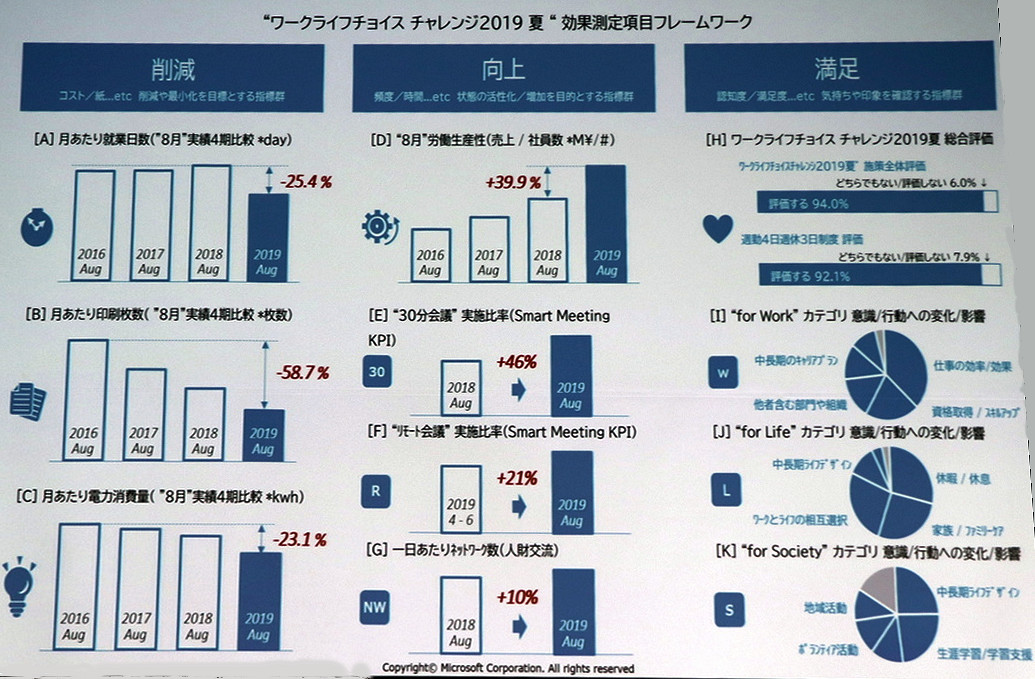
Workers were happier and took  25.4 percent fewer days off during the month.

There were also savings from spending less time at work.  23.1 percent less electricity was used and 58.7 percent fewer pages were printed.

More importantly from a bottom-line standpoint, however, productivity went up 39.9%, as fewer and shorter meetings were held, often virtually rather than in person.

In the end, the project had 92.1 percent employee approval, suggesting workers were happy with getting more done in less time.

The trial involved 2,300 employees, and Microsoft is looking to repeat it next summer.

Source: Microsoft finds workers are more productive with a 4-day workweek

Scholars Shouldn’t Fear ‘Dumbing Down’ for the Public

The internet has made it easier than ever to reach a lot of readers quickly. It has birthed new venues for publication and expanded old ones. At the same time, a sense of urgency of current affairs, from politics to science, technology to the arts, has driven new interest in bringing scholarship to the public directly.

Scholars still have a lot of anxiety about this practice. Many of those relate to the university careers and workplaces: evaluation, tenure, reactions from their peers, hallway jealousy, and so on. These are real worries, and as a scholar and university professor myself, I empathize with many of them.

But not with this one: The worry that they’ll have to “dumb down” their work to reach broader audiences. This is one of the most common concerns I hear from academics. “Do we want to dumb down our work to reach these readers?” I’ve heard them ask among themselves. It’s a wrongheaded anxiety.


Like all experts, academics are used to speaking to a specialized audience. That’s true no matter their discipline, from sociology to geotechnical engineering to classics. When you speak to a niche audience among peers, a lot of understanding comes for free. You can use technical language, make presumptions about prior knowledge, and assume common goals or contexts. When speaking to a general audience, you can’t take those circumstances as a given.

But why would doing otherwise mean “dumbing down” the message? It’s an odd idea when you think about it. The whole reason to reach people who don’t know what you know, as an expert, is so that they might know about it. Giving them reason to care, process, and understand is precisely the point.

The phrase dumbing down got its start in entertainment. During the golden age of Hollywood, in the 1930s, dumbing down became a screenwriter’s shorthand for making an idea simple enough that people with limited education or experience could understand it. Over time, it came to refer to intellectual oversimplification of all kinds, particularly in the interest of making something coarsely popular. In education, it named a worry about curricula and policy: that students were being asked to do less, held to a lower standard than necessary—than they were capable of—and that is necessary to produce an informed citizenry.

In the process, dumbing down has entrenched and spread as a lamentation, often well beyond any justification

[…]

But to assume that even to ponder sharing the results of scholarship amounts to dumbing down, by default, is a new low in this term for new lows. Posturing as if it’s a problem with the audience, rather than with the expert who refuses to address that audience, is perverse.

One thing you learn when writing for an audience outside your expertise is that, contrary to the assumption that people might prefer the easiest answers, they are all thoughtful and curious about topics of every kind. After all, people have areas in their own lives in which they are the experts. Everyone is capable of deep understanding.

Up to a point, though: People are also busy, and they need you to help them understand why they should care. Doing that work—showing someone why a topic you know a lot about is interesting and important—is not “dumb”; it’s smart. Especially if, in the next breath, you’re also intoning about how important that knowledge is, as academics sometimes do. If information is vital to human flourishing but withheld by experts, then those experts are either overestimating its importance or hoarding it.

Source: Scholars Shouldn’t Fear ‘Dumbing Down’ for the Public – The Atlantic

Warren runs a false Facebook ad to protest false Facebook ads – Politicians can lie on social media ads

Elizabeth Warren has taken an attention-getting approach to attacking Facebook’s recent announcement that it won’t fact-check politicians’ posts. She’s running an ad on the social network that deliberately contains a falsehood.

“Breaking news: Mark Zuckerberg and Facebook just endorsed Donald Trump for re-election,” reads the ad, which Warren also tweeted out Saturday. The ad immediately corrects itself but says it’s making a point. “What Zuckerberg *has* done is given Trump free rein to lie on his platform,” it says, “and then pay Facebook gobs of money to push out their lies to American voters.”

Neither Facebook nor the White House immediately responded to a request for comment.

Late last month, Facebook said it exempts politicians from its third-party fact-checking process and that that’s been the policy for more than a year. The company treats speech from politicians “as newsworthy content that should, as a general rule, be seen and heard,” Facebook’s vice president of global affairs and communications, Nick Clegg, said at the time.

“We don’t believe … that it’s an appropriate role for us to referee political debates and prevent a politician’s speech from reaching its audience and being subject to public debate and scrutiny,” Clegg added.

Earlier this week, Facebook told Joe Biden’s presidential campaign that it wouldn’t remove an ad by Trump’s reelection campaign despite assertions that the ad contains misinformation about Biden. The 30-second video said Biden had threatened to withhold $1 billion from Ukraine unless officials there fired the prosecutor investigating a company that employed Biden’s son.

At the time, Tim Murtaugh, a spokesman for Trump’s campaign, said the ads were accurate. But Factcheck.org noted that while Biden did threaten to withhold US money from Ukraine, there’s no evidence he did this to help his son, which is what the Facebook ad implied. Factcheck.org also said there’s no evidence Biden’s son was ever under investigation and that Biden and the US weren’t alone in pressuring Ukraine to fire the prosecutor, who was widely seen as corrupt.

Responding to Facebook’s refusal to pull the ad, Biden spokesman T.J. Ducklo said at the time that  “the spread of objectively false information to influence public opinion poisons the public discourse and chips away at our democracy. It is unacceptable for any social media company to knowingly allow deliberately misleading material to corrupt its platform.”

And Warren tweeted then that Facebook was “deliberately allowing a candidate to intentionally lie to the American people.”

Warren has called for the breakup of Facebook and other big tech companies, saying in part that they wield too much influence. Other lawmakers have called for Facebook and rival platforms to be regulated as a way of addressing concerns about the spread of fake news, among other things.

Source: Warren runs a false Facebook ad to protest false Facebook ads – CNET

And who decides what the definition of a politician is?

No Bones about It: People Recognize Objects by Visualizing Their “Skeletons”

Humans effortlessly know that a tree is a tree and a dog is a dog no matter the size, color or angle at which they’re viewed. In fact, identifying such visual elements is one of the earliest tasks children learn. But researchers have struggled to determine how the brain does this simple evaluation. As deep-learning systems have come to master this ability, scientists have started to ask whether computers analyze data—and particularly images—similarly to the human brain. “The way that the human mind, the human visual system, understands shape is a mystery that has baffled people for many generations, partly because it is so intuitive and yet it’s very difficult to program” says Jacob Feldman, a psychology professor at Rutgers University.

A paper published in Scientific Reports in June comparing various object recognition models came to the conclusion that people do not evaluate an object like a computer processing pixels, but based on an imagined internal skeleton. In the study, researchers from Emory University, led by associate professor of psychology Stella Lourenco, wanted to know if people judged object similarity based on the objects’ skeletons—an invisible axis below the surface that runs through the middle of the object’s shape. The scientists generated 150 unique three-dimensional shapes built around 30 different skeletons and asked participants to determine whether or not two of the objects were the same. Sure enough, the more similar the skeletons were, the more likely participants were to label the objects as the same. The researchers also compared how well other models, such as neural networks (artificial intelligence–based systems) and pixel-based evaluations of the objects, predicted people’s decisions. While the other models matched performance on the task relatively well, the skeletal model always won.

“There’s a big emphasis on deep neural networks for solving these problems [of object recognition]. These are networks that require lots and lots of training to even learn a single object category, whereas the model that we investigated, a skeletal model, seems to be able to do this without this experience,” says Vladislav Ayzenberg, a doctoral student in Lourenco’s lab. “What our results show is that humans might be able to recognize objects by their internal skeletons, even when you compare skeletal models to these other well-established neural net models of object recognition.”

Next, the researchers pitted the skeletal model against other models of shape recognition, such as ones that focus on the outline. To do so, Ayzenberg and Lourenco manipulated the objects in certain ways, such as shifting the placement of an arm in relation to the rest of the body or changing how skinny, bulging, or wavy the outlines were. People once again judged the objects as being similar based on their skeletons, not their surface qualities.

Source: No Bones about It: People Recognize Objects by Visualizing Their “Skeletons” – Scientific American

Combating prison recidivism with plants

A study out of Texas State University attempted to determine the number of available horticultural community service opportunities for individuals completing community service hours per their probation or parole requirements, and whether that brand of community service generates a calculable offset against the common nature of repeat offenses for an inmate population once released.

[…]

The United States currently incarcerates the greatest percentage of its population compared with any other nation in the world. Although the world average rate of incarceration is 166 individuals per 100,000, the US average is 750 per 100,000. And recidivism is a predictable factor of our criminal justice system.

Recidivism is the repetition of criminal behavior and reimprisonment of an offender and is one of the reasons for large inmate populations in the United States. Research tracked a total of 404,638 prisoners across 30 states for a span of 5 years and found 67.8% of prisoners released reoffended within 3 years and a total of 76.6% reoffended within 5 years of being released. One third of those offenders were arrested within the first 6 months of being released.

Holmes added, “Further researching the role plants play on positively impacting an individual’s life or decision to productively redirect their behavior has the potential to greatly benefit our society as a whole, long-term.”

Past studies have shown that certain educational and rehabilitation efforts have helped to reduce a return to a life of crime. As a means of education and vocational rehabilitation, horticultural programs have been introduced into detention facilities across the United States. Many prisoners have participated in horticultural activities such as harvesting and maintaining their own vegetable gardens as a means of providing food for the institution, which can also serve as skill development for a means of earning income once released back into society.

[…]

In investigating the different types of community service opportunities available to offenders, Holmes and Waliczek found there were 52 different agencies available as options for community service during the time of the study. Of the 52 community service agencies, 25 of them provided horticultural work options.

The results and information gathered support the notion that horticultural activities can play an important role in influencing an offender’s successful reentry into society. The researchers found that individuals who engaged in horticultural programs demonstrated the lowest rate of recidivism over all other categories of released inmates.

Holmes interjected, “It was indeed notable the study found that those individuals who completed their community service requirements in a horticultural setting were less likely to recidivate when compared to those who completed their community service in a non-horticultural setting.”

She further added, “I plan on continuing this research and studying the overall benefits of horticulture on the well-being and recidivism rates of both incarcerated juvenile and adult offenders on a larger scale.”

Source: Combating prison recidivism with plants

Marine plastic pollution hides a neurological toxin in our food

In the mid-1950s, domesticated cats in Minamata, Japan mysteriously began to convulse and fall into the bay. The people of Minamata took on similar symptoms shortly after, losing their ability to speak, move, and think.

Chisso Corp., a Japanese chemical company, had dumped more than 600 tons of into the bay between 1932 and 1968 via the company’s wastewater. 1,784 people were slowly killed over the years while doctors scrambled to find the cause of the deaths that shared uncanny symptoms.

The Minamata Bay disease is a neurological illness where methylmercury poisoning causes long-term impairment of the central nervous system. The Minamata Convention on Mercury emerged in early 2013 as an international environmental treaty aiming to limit global mercury pollution, with 112 countries as current parties. Although the Environmental Protection Agency and other government organizations worldwide have since limited mercury that enters from power utilities and other corporations, this toxin has a new and powerful avenue to the human brain: .

“The concentration of mercury in the surface level of the ocean is probably three or four times higher today than it was 500 years ago,” said Dr. Carl Lamborg, an associate professor from the ocean sciences department at the University of California Santa Cruz.

Methylmercury makes its journey to our dinner plate up the food chain from the marine ecosystem’s smallest organisms—phytoplankton and zooplankton—to fish and humans.

Dr. Katlin Bowman, a postdoctoral research scholar at UCSC, is researching how mercury enters the food chain. Through methylation, mercury in the ocean becomes methylmercury, an organic form of the element. It is far more dangerous because it easily concentrates while traveling up the . Heavy metal toxins naturally adhere to plastics in the water, contributing to the mercury pollution issue by creating extremely concentrated “fish food” bombs of dangerous chemicals, she said.

“Plastic has a negative charge, mercury has a positive charge. Opposites attract so the mercury sticks,” Bowman said.

Microplastics are more concentrated in methylmercury as a result of their greater surface area, trapping toxic particles in the many folds and tight spaces.

“Microplastics are defined as a piece of plastic that’s less than five millimeters in size,” said Abigail Barrows, a marine research scientist from College of the Atlantic. “They cover a whole suite of things.” These include microbeads in personal care products and microfibers that break off of clothing. As , bottles, and utensils degrade over time, they become microplastics.

“If microplastics increase the rate of methylmercury production, then microplastics in the environment could indirectly be increasing the amount of mercury that accumulates in fish,” Bowman said.

Two key concepts worsen methylmercury’s impact: bioaccumulation and biomagnification.

With bioaccumulation, methylmercury never leaves the body, instead building up over time.

“The longer the fish lives, it just keeps eating mercury in its diet, and it doesn’t lose it, so it ends up concentrating very high levels of mercury in its tissues,” said Dr. Nicholas Fisher, distinguished professor at State University of New York Stony Brook. “The methylmercury also biomagnifies, which means that the concentration is higher in the predator than it is in the prey.”

According to the European Commission’s Mercury Issue Briefing of 2012, top-level predators have more than 100,000 times more methylmercury stored in their system compared to their surrounding waters.

However, our focus should be on the plastic pollution issue rather than mercury discharge.

“The mercury bounces back and forth between the air and the ocean very easily,” Lamborg said. While this toxin cycles through the environment in regular cycles, plastics serve as a magnet for mercury, prolonging its lifetime in the ocean and funneling it into the mouths of plankton and fish. When people eat affected seafood, they eat the concentrated methylmercury as well.

The Minamata Bay Disaster has already spelled out the horrific effects of mercury poisoning in all of its nitty-gritty glory. The EPA and other international agencies have passed regulations since the 1970s, such as the Clean Water Act and the Safe Water Drinking Act, that have significantly driven surface water mercury emissions downward. However, according to a report published by Science in 2015, the eight million metric tons of plastic that enter the ocean each year ensure that the problem will only swell.

“The plastic produced is on trend to double in the next 20 years,” Barrows said. “So, I think that’s where we need to focus on in terms of worrying about our environment.”

Source: Marine plastic pollution hides a neurological toxin in our food

Human speech may have a universal transmission rate: 39 bits per second

Italians are some of the fastest speakers on the planet, chattering at up to nine syllables per second. Many Germans, on the other hand, are slow enunciators, delivering five to six syllables in the same amount of time. Yet in any given minute, Italians and Germans convey roughly the same amount of information, according to a new study. Indeed, no matter how fast or slowly languages are spoken, they tend to transmit information at about the same rate: 39 bits per second, about twice the speed of Morse code.

“This is pretty solid stuff,” says Bart de Boer, an evolutionary linguist who studies speech production at the Free University of Brussels, but was not involved in the work. Language lovers have long suspected that information-heavy languages—those that pack more information about tense, gender, and speaker into smaller units, for example—move slowly to make up for their density of information, he says, whereas information-light languages such as Italian can gallop along at a much faster pace. But until now, no one had the data to prove it.

Scientists started with written texts from 17 languages, including English, Italian, Japanese, and Vietnamese. They calculated the information density of each language in bits—the same unit that describes how quickly your cellphone, laptop, or computer modem transmits information. They found that Japanese, which has only 643 syllables, had an information density of about 5 bits per syllable, whereas English, with its 6949 syllables, had a density of just over 7 bits per syllable. Vietnamese, with its complex system of six tones (each of which can further differentiate a syllable), topped the charts at 8 bits per syllable.

Next, the researchers spent 3 years recruiting and recording 10 speakers—five men and five women—from 14 of their 17 languages. (They used previous recordings for the other three languages.) Each participant read aloud 15 identical passages that had been translated into their mother tongue. After noting how long the speakers took to get through their readings, the researchers calculated an average speech rate per language, measured in syllables/second.

Some languages were clearly faster than others: no surprise there. But when the researchers took their final step—multiplying this rate by the bit rate to find out how much information moved per second—they were shocked by the consistency of their results. No matter how fast or slow, how simple or complex, each language gravitated toward an average rate of 39.15 bits per second, they report today in Science Advances. In comparison, the world’s first computer modem (which came out in 1959) had a transfer rate of 110 bits per second, and the average home internet connection today has a transfer rate of 100 megabits per second (or 100 million bits).

Source: Human speech may have a universal transmission rate: 39 bits per second | Science | AAAS

Do those retail apps increase customer engagement and sales in all channels? In the US: Yes.

Researchers from Texas A&M University published new research in the INFORMS journal Marketing Science, which shows that retailers’ branded mobile apps are very effective in increasing customer engagement, increasing sales on multiple levels, not just on the retailer’s website, but also in its stores. At the same time, apps increase the rate of returns, although the increase in sales outweighs the return rates.

The study to be published in the September edition of the INFORMS journal Marketing Science is titled “Mobile App Introduction and Online and Offline Purchases and Product Returns,” and is authored by Unnati Narang and Ventakesh Shankar, both of the Mays Business School at Texas A&M University.

The study authors found that retail app users buy 33 percent more frequently, they buy 34 percent more items, and they spend 37 percent more than non-app user customers over 18 months after app launch.

At the same time, app users return products 35 percent more frequently, and they return 35 percent more items at a 41 percent increase in .

All factors considered, the researchers found that app users spend 36 percent more net of returns.

“Overall, we found that retail app users are significantly more engaged at every level of the retail experience, from making purchases to returning items,” said Narang. “Interestingly, we also found that app users tend to a more diverse set of items, including less popular products, than non-app users. This is particular helpful for long-tail products, such as video games and music.”

“For the retailer, the lesson is that having a retail app will likely increase customer engagement and expand the range of products being sold online and in store,” added Shankar. “We also found that some app users who make a purchase within 48 hours of actually using an app, tend to use it when they are physically close to the store of purchase. They are most likely to access the app for loyalty rewards, product details and notifications.”

Source: Do those retail apps increase customer engagement and sales in all channels?

Managers rated as highly emotionally intelligent are more ineffective and unpopular, research shows

Professor Nikos Bozionelos, of the EMLyon Business School, France, and Dr. Sumona Mukhuty, Manchester Metropolitan University, asked staff in the NHS to assess their managers’ emotional intelligence—defined as their level of empathy and their awareness of their own and others’ emotions.

The 309 managers were also assessed on the amount of effort they put into the job, the staff’s overall satisfaction with their manager, and how well they implemented change within the NHS system.

Professor Bozionelos told the British Academy of Management’s annual conference in Birmingham today [Wednesday 4 September 2019] that beyond a certain point managers rated as having high emotional intelligence were also scored as lower for most of the outcomes.

Those managers rated in the top 15 percent for emotional intelligence were evaluated lower that those who performed in the top 65 percent to 85 percent in the amount of effort they put into the job, and how satisfied their subordinates were with them.

The NHS was undergoing fundamental reorganization at the time of the study, and managers rated as most emotionally intelligent were scored as less effective at implementing this change, but highly for their continuing involvement in the process.

“Increases in emotional intelligence beyond a moderately high level are detrimental rather than beneficial in terms of leader’s effectiveness,” said Professor Bozionelos.

“Managers who were rated beyond a particular threshold are considered less effective, and their staff are less satisfied with them.

“Too much emotional intelligence is associated with too much empathy, which in turn may make a manager hesitant to apply measures that he or she feels will impose excessive burden or discomfort to subordinates.”

The research contradicted the general assumption that the more emotional intelligence in a manager the better, he said, which had led to “an upsurge in investment in emotional intelligence training programs for leaders.”

“Beyond a particular level, emotional intelligence may not add anything to many aspects of manager’s performance, and in fact may become detrimental. Simply considering that the more emotional the manager has the better it is may be an erroneous way of thinking.”

The researchers took into account a host of factors, such as leaders’ age and biological sex, in order to study the effects of in isolation.

Source: Managers rated as highly emotionally intelligent are more ineffective and unpopular, research shows

Scientists Say They’ve Found a New Organ in Skin That Processes Pain

Typically, it’s thought that we perceive harmful sensations on our skin entirely through the very sensitive endings of certain nerve cells. These nerve cells aren’t coated by a protective layer of myelin, as other types are. Nerve cells are kept alive by and connected to other cells called glia; outside of the central nervous system, one of the two major types of glia are called Schwann cells.

An illustration of nociceptive Schwann cells
Illustration: Abdo, et al (Science)

The authors of the new study, published Thursday in Science, say they were studying these helper cells near the skin’s surface in the lab when they came across something strange—some of the Schwann cells seemed to form an extensive “mesh-like network” with their nerve cells, differently than how they interact with nerve cells elsewhere. When they ran further experiments with mice, they found evidence that these Schwann cells play a direct, added role in pain perception, or nociception.

One experiment, for instance, involved breeding mice with these cells in their paws that could be activated when the mice were exposed to light. Once the light came on, the mice seemed to behave like they were in pain, such as by licking themselves or guarding their paws. Later experiments found that these cells—since dubbed nociceptive Schwann cells by the team—respond to mechanical pain, like being pricked or hit by something, but not to cold or heat.

Because these cells are spread throughout the skin as an intricately connected system, the authors argue that the system should be considered an organ.

“Our study shows that sensitivity to pain does not occur only in the skin’s nerve [fibers], but also in this recently discovered pain-sensitive organ,” said senior study author Patrik Ernfors, a pain researcher at Sweden’s Karolinska Institute, in a release from the university.

Source: Scientists Say They’ve Found a New Organ in Skin That Processes Pain

How Facebook is Using Machine Learning to Map the World Population

When it comes to knowing where humans around the world actually live, resources come in varying degrees of accuracy and sophistication.

Heavily urbanized and mature economies generally produce a wealth of up-to-date information on population density and granular demographic data. In rural Africa or fast-growing regions in the developing world, tracking methods cannot always keep up, or in some cases may be non-existent.

This is where new maps, produced by researchers at Facebook, come in. Building upon CIESIN’s Gridded Population of the World project, Facebook is using machine learning models on high-resolution satellite imagery to paint a definitive picture of human settlement around the world. Let’s zoom in.

Connecting the Dots

Will all other details stripped away, human settlement can form some interesting patterns. One of the most compelling examples is Egypt, where 95% of the population lives along the Nile River. Below, we can clearly see where people live, and where they don’t.

View the full-resolution version of this map.

facebook population density egypt map

While it is possible to use a tool like Google Earth to view nearly any location on the globe, the problem is analyzing the imagery at scale. This is where machine learning comes into play.

Finding the People in the Petabytes

High-resolution imagery of the entire globe takes up about 1.5 petabytes of storage, making the task of classifying the data extremely daunting. It’s only very recently that technology was up to the task of correctly identifying buildings within all those images.

To get the results we see today, researchers used process of elimination to discard locations that couldn’t contain a building, then ranked them based on the likelihood they could contain a building.

process of elimination map

Facebook identified structures at scale using a process called weakly supervised learning. After training the model using large batches of photos, then checking over the results, Facebook was able to reach a 99.6% labeling accuracy for positive examples.

Why it Matters

An accurate picture of where people live can be a matter of life and death.

For humanitarian agencies working in Africa, effectively distributing aid or vaccinating populations is still a challenge due to the lack of reliable maps and population density information. Researchers hope that these detailed maps will be used to save lives and improve living conditions in developing regions.

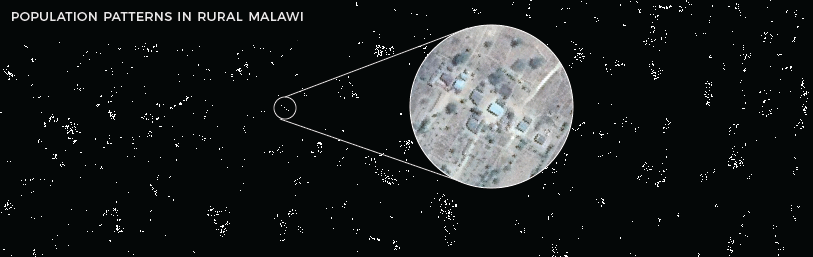
For example, Malawi is one of the world’s least urbanized countries, so finding its 19 million citizens is no easy task for people doing humanitarian work there. These maps clearly show where people live and allow organizations to create accurate population density estimates for specific areas.

rural malawi population pattern map

Visit the project page for a full explanation and to access the full database of country maps.

Source: How Facebook is Using Machine Learning to Map the World Population

It turns out Bystanders do Help Strangers in Need

Research dating back to the late 1960s documents how the great majority of people who witness crimes or violent behavior refuse to intervene.

Psychologists dubbed this non-response as the “bystander effect”—a phenomenon which has been replicated in scores of subsequent psychological studies. The “bystander effect” holds that the reason people don’t intervene is because we look to one another. The presence of many bystanders diffuses our own sense of personal responsibility, leading people to essentially do nothing and wait for someone else to jump in.

Past studies have used police reports to estimate the effect, but results ranged from 11 percent to 74 percent of incidents being interventions. Now, widespread surveillance cameras allow for a new method to assess real-life human interactions. A new study published this year in the American Psychologist finds that this well-established bystander effect may largely be a myth. The study uses footage of more than 200 incidents from surveillance cameras in Amsterdam; Cape Town; and Lancaster, England.

Researchers watched footage and coded the nature of the conflict, the number of direct participants in it, and the number of bystanders. Bystanders were defined as intervening if they attempted a variety of acts, including pacifying gestures, calming touches, blocking contact between parties, consoling victims of aggression, providing practical help to a physical harmed victim, or holding, pushing, or pulling an aggressor away. Each event had an average of 16 bystanders and lasted slightly more than three minutes.

The study finds that in nine out of 10 incidents, at least one bystander intervened, with an average of 3.8 interveners. There was also no significant difference across the three countries and cities, even though they differ greatly in levels of crime and violence.

Instead of more bystanders creating an immobilizing “bystander effect,” the study actually found the more bystanders there were, the more likely it was that at least someone would intervene to help. This is a powerful corrective to the common perception of “stranger danger” and the “unknown other.” It suggests that people are willing to self-police to protect their communities and others. That’s in line with the research of urban criminologist Patrick Sharkey, who finds that stronger neighborhood organizations, not a higher quantity of policing, have fueled the Great Crime Decline.

Source: How Often Will Bystanders Help Strangers in Need? – CityLab

Are Plants Conscious? Researchers Argue, but agree they are intelligent.

The remarkable ability of plants to respond to their environment has led some scientists to believe it’s a sign of conscious awareness. A new opinion paper argues against this position, saying plants “neither possess nor require consciousness.”

Many of us take it for granted that plants, which lack a brain or central nervous system, wouldn’t have the capacity for conscious awareness. That’s not to suggest, however, that plants don’t exhibit intelligence. Plants seem to demonstrate a startling array of abilities, such as computation, communication, recognizing overcrowding, and mobilizing defenses, among other clever vegetative tricks.

To explain these apparent behaviors, a subset of scientists known as plant neurobiologists has argued that plants possess a form of consciousness. Most notably, evolutionary ecologist Monica Gagliano has performed experiments that allegedly hint at capacities such as habituation (learning from experience) and classical conditioning (like Pavlov’s salivating dogs). In these experiments, plants apparently “learned” to stop curling their leaves after being dropped repeatedly or to spread their leaves in anticipation of a light source. Armed with this experimental evidence, Gagliano and others have claimed, quite controversially, that because plants can learn and exhibit other forms of intelligence, they must be conscious.

Nonsense, argues a new paper published today in Trends in Plant Science. The lead author of the new paper, biologist Lincoln Taiz from the University of California at Santa Cruz, isn’t denying plant intelligence, but makes a strong case against their being conscious.

Source: Plants Are Definitely Not Conscious, Researchers Argue

Dark Patterns at Scale: Findings from a Crawl of 11K Shopping Websites (note, there’s lots of them influencing your unconsious to buy!)

Dark patterns are user interface design choices that benefit an online service by coercing, steering, or deceivingusers into making unintended and potentially harmful decisions. We present automated techniques that enableexperts to identify dark patterns on a large set of websites. Using these techniques, we study shoppingwebsites, which often use dark patterns these to influence users into making more purchases or disclosingmore information than they would otherwise. Analyzing∼53K product pages from∼11K shopping websites,we discover 1,841 dark pattern instances, together representing 15 types and 7 categories. We examine theunderlying influence of these dark patterns, documenting their potential harm on user decision-making. Wealso examine these dark patterns for deceptive practices, and find 183 websites that engage in such practices.Finally, we uncover 22 third-party entities that offer dark patterns as a turnkey solution. Based on our findings,we make recommendations for stakeholders including researchers and regulators to study, mitigate, andminimize the use of these patterns.

Dark patterns [31,47] are user interface design choices that benefit an online service by coercing,steering, or deceiving users into making decisions that, if fully informed and capable of selectingalternatives, they might not make. Such interface design is an increasingly common occurrence ondigital platforms including social media [45] and shopping websites [31], mobile apps [5,30], and video games [83]. At best, dark patterns annoy and frustrate users. At worst, dark patterns userscan mislead and deceive users, e.g., by causing financial loss [1,2], tricking users into giving upvast amounts of personal data [45], or inducing compulsive and addictive behavior in adults [71]and children [20].While prior work [30,31,37,47] has provided a starting point for describing the types ofdark patterns, there is no large-scale evidence documenting the prevalence of dark patterns, or asystematic and descriptive investigation of how the various different types of dark patterns harmusers. If we are to develop countermeasures against dark patterns, we first need to examine where,how often, and the technical means by which dark patterns appear, and second, we need to be ableto compare and contrast how various dark patterns influence user decision-making. By doing so,we can both inform users about and protect them from such patterns, and given that many of thesepatterns are unlawful, aid regulatory agencies in addressing and mitigating their use.In this paper, we present an automated approach that enables experts to identify dark patternsat scale on the web. Our approach relies on (1) a web crawler, built on top of OpenWPM [24,39]—aweb privacy measurement platform—to simulate a user browsing experience and identify userinterface elements; (2) text clustering to extract recurring user interface designs from the resultingdata; and (3) inspecting the resulting clusters for instances of dark patterns. We also develop a noveltaxonomy of dark pattern characteristics so that researchers and regulators can use descriptive andcomparative terminology to understand how dark patterns influence user decision-making.While our automated approach generalizes, we focus this study on shopping websites. Darkpatterns are especially common on shopping websites, used by an overwhelming majority of theAmerican public [75], where they trick users into signing up for recurring subscriptions and makingunwanted purchases, resulting in concrete financial loss. We use our web crawler to visit the∼11Kmost popular shopping websites worldwide, and from the resulting analysis create a large data setof dark patterns and document their prevalence. In doing so, we discover several new instancesand variations of previously documented dark patterns [31,47]. We also classify the dark patternswe encounter using our taxonomy of dark pattern characteristics.

We have five main findings:

•We discovered 1,841 instances of dark patterns on shopping websites, which together repre-sent 15 types of dark patterns and 7 broad categories.

•These 1,841 dark patterns were present on 1,267 of the∼11K shopping websites (∼11.2%) inour data set. Shopping websites that were more popular, according to Alexa rankings [9],were more likely to feature dark patterns. This represents a lower bound on the number ofdark patterns on these websites, since our automated approach only examined text-baseduser interfaces on a sample of products pages per website.

•Using our taxonomy of dark pattern characteristics, we classified the dark patterns wediscover on the basis whether they lead to anasymmetryof choice, arecovertin their effect,aredeceptivein nature,hide informationfrom users, andrestrictchoice. We also map the darkpatterns in our data set to the cognitive biases they exploit. These biases collectively describethe consumer psychology underpinnings of the dark patterns we identified.

•In total, we uncovered 234 instances of deceptive dark patterns across 183 websites. Wehighlight the types of dark patterns we discovered that rely on consumer deception.

•We identified 22 third-party entities that provide shopping websites with the ability to createdark patterns on their sites. Two of these entities openly advertised practices that enabledeceptive messages

[…]

We developed a taxonomy of dark pattern characteristics that allows researchers, policy-makers and journalists to have a descriptive, comprehensive, and comparative terminology for understand-ing the potential harm and impact of dark patterns on user decision-making. Our taxonomy is based upon the literature on online manipulation [33,74,81] and dark patterns highlighted in previous work [31,47], and it consists of the following five dimensions, each of which poses a possible barrier to user decision-making:

•Asymmetric: Does the user interface design impose unequal weights or burdens on theavailable choices presented to the user in the interface3? For instance, a website may presenta prominent button to accept cookies on the web but hide the opt-out button in another page.

•Covert: Is the effect of the user interface design choice hidden from users? A websitemay develop interface design to steer users into making specific purchases without theirknowledge. Often, websites achieve this by exploiting users’ cognitive biases, which aredeviations from rational behavior justified by some “biased” line of reasoning [50]. In aconcrete example, a website may leverage the Decoy Effect [51] cognitive bias, in whichan additional choice—the decoy—is introduced to make certain other choices seem moreappealing. Users may fail to recognize the decoy’s presence is merely to influence theirdecision making, making its effect hidden from users.

•Deceptive: Does the user interface design induce false beliefs either through affirmativemisstatements, misleading statements, or omissions? For example, a website may offer adiscount to users that appears to be limited-time, but actually repeats when they visit the siteagain. Users may be aware that the website is trying to offer them a deal or sale; however,they may not realize that the influence is grounded in a false belief—in this case, becausethe discount is recurring. This false belief affects users decision-making i.e., they may actdifferently if they knew that this sale is repeated.

•Hides Information: Does the user interface obscure or delay the presentation of neces-sary information to the user? For example, a website may not disclose, hide, or delay thepresentation of information about charges related to a product from users.3We narrow the scope of asymmetry to only refer to explicit choices in the interface.

•Restrictive: Does the user interface restrict the set of choices available to users? For instance,a website may only allow users to sign up for an account with existing social media accountssuch as Facebook or Google so they can gather more information about them.
In Section 5, we also draw an explicit connection between each dark pattern we discover and thecognitive biases they exploit. The biases we refer to in our findings are:
(1)Anchoring Effect [77]: The tendency for individuals to overly rely on an initial piece ofinformation—the “anchor”—on future decisions
(2)Bandwagon Effect [72]: The tendency for individuals to value something more because othersseem to value it.
(3)Default Effect [53]: The tendency of individuals to stick with options that are assigned tothem by default, due to inertia in the effort required to change the option.
(4)Framing Effect [78]: A phenomenon that individuals may reach different decisions from thesame information depending on how it is presented or “framed”.
(5)Scarcity Bias [62]: The tendency of individuals to place a higher value on things that arescarce.
(6)Sunk Cost Fallacy [28]: The tendency for individuals to continue an action if they haveinvested resource (e.g., time and money) into it, even if that action would make them worse off.
[…]
We discovered a total of 22 third-party entities, embedded in 1,066of the 11K shopping websites in our data set, and in 7,769 of the Alexa top million websites. Wenote that the prevalence figures from the Princeton Web Census Project data should be taken as a

24A. Mathur et al.lower bound since their crawls are limited to home pages of websites. […] we discovered that many shopping websites only embedded them intheir product—and not home—pages, presumably for functionality and performance reasons.

[…]
Many of the third-parties advertised practices that appeared to be—and sometimes unambiguouslywere—manipulative: “[p]lay upon [customers’] fear of missing out by showing shoppers whichproducts are creating a buzz on your website” (Fresh Relevance), “[c]reate a sense of urgency toboost conversions and speed up sales cycles with Price Alert Web Push” (Insider), “[t]ake advantageof impulse purchases or encourage visitors over shipping thresholds” (Qubit). Further, Qubit alsoadvertised Social Proof Activity Notifications that could be tailored to users’ preferences andbackgrounds.
In some instances, we found that third parties openly advertised the deceptive capabilities of theirproducts. For example, Boost dedicated a web page—titled “Fake it till you make it”—to describinghow it could help create fake orders [12]. Woocommerce Notification—a Woocommerce platformplugin—also advertised that it could create fake social proof messages: “[t]he plugin will create fakeorders of the selected products” [23]. Interestingly, certain third parties (Fomo, Proof, and Boost)used Social Proof Activity Messages on their own websites to promote their products.
[…]
These practices are unambiguously unlawful in the United States(under Section 5 of the Federal Trade Commission Act and similar state laws [43]), the EuropeanUnion (under the Unfair Commercial Practices Directive and similar member state laws [40]), andnumerous other jurisdictions.We also find practices that are unlawful in a smaller set of jurisdictions. In the European Union,businesses are bound by an array of affirmative disclosure and independent consent requirements inthe Consumer Rights Directive [41]. Websites that use the Sneaking dark patterns (Sneak into Basket,Hidden Subscription, and Hidden Costs) on European Union consumers are likely in violation ofthe Directive. Furthermore, user consent obtained through Trick Questions and Visual Interferencedark patterns do not constitute freely given, informed and active consent as required by the GeneralData Protection Regulation (GDPR) [42]. In fact, the Norwegian Consumer Council filed a GDPRcomplaint against Google in 2018, arguing that Google used dark patterns to manipulate usersinto turning on the “Location History” feature on Android, and thus enabling constant locationtracking [46

Source: Dark Patterns at Scale: Findings from a Crawl of 11K Shopping Websites Draft: June 25, 2019 – dark-patterns.pdf

Upgrade your memory with a surgically implanted chip!

In a grainy black-and-white video shot at the Mayo Clinic in Minnesota, a patient sits in a hospital bed, his head wrapped in a bandage. He’s trying to recall 12 words for a memory test but can only conjure three: whale, pit, zoo. After a pause, he gives up, sinking his head into his hands.

In a second video, he recites all 12 words without hesitation. “No kidding, you got all of them!” a researcher says. This time the patient had help, a prosthetic memory aid inserted into his brain.

Over the past five years, the U.S. Defense Advanced Research Projects Agency (Darpa) has invested US$77 million to develop devices intended to restore the memory-generation capacity of people with traumatic brain injuries. Last year two groups conducting tests on humans published compelling results.

The Mayo Clinic device was created by Michael Kahana, a professor of psychology at the University of Pennsylvania, and the medical technology company Medtronic Plc. Connected to the left temporal cortex, it monitors the brain’s electrical activity and forecasts whether a lasting memory will be created. “Just like meteorologists predict the weather by putting sensors in the environment that measure humidity and wind speed and temperature, we put sensors in the brain and measure electrical signals,” Kahana says. If brain activity is suboptimal, the device provides a small zap, undetectable to the patient, to strengthen the signal and increase the chance of memory formation. In two separate studies, researchers found the prototype consistently boosted memory 15 per cent to 18 per cent.

The second group performing human testing, a team from Wake Forest Baptist Medical Center in Winston-Salem, N.C., aided by colleagues at the University of Southern California, has a more finely tuned method. In a study published last year, their patients showed memory retention improvement of as much as 37 per cent. “We’re looking at questions like, ‘Where are my keys? Where did I park the car? Have I taken my pills?’ ” says Robert Hampson, lead author of the 2018 study.

To form memories, several neurons fire in a highly specific way, transmitting a kind of code. “The code is different for unique memories, and unique individuals,” Hampson says. By surveying a few dozen neurons in the hippocampus, the brain area responsible for memory formation, his team learned to identify patterns indicating correct and incorrect memory formation for each patient and to supply accurate codes when the brain faltered.

In presenting patients with hundreds of pictures, the group could even recognize certain neural firing patterns as particular memories. “We’re able to say, for example, ‘That’s the code for the yellow house with the car in front of it,’ ” says Theodore Berger, a professor of bioengineering at the University of Southern California who helped develop mathematical models for Hampson’s team.

Both groups have tested their devices only on epileptic patients with electrodes already implanted in their brains to monitor seizures; each implant requires clunky external hardware that won’t fit in somebody’s skull. The next steps will be building smaller implants and getting approval from the U.S. Food and Drug Administration to bring the devices to market. A startup called Nia Therapeutics Inc. is already working to commercialize Kahana’s technology.

Justin Sanchez, who just stepped down as director of Darpa’s biological technologies office, says veterans will be the first to use the prosthetics. “We have hundreds of thousands of military personnel with traumatic brain injuries,” he says. The next group will likely be stroke and Alzheimer’s patients. Eventually, perhaps, the general public will have access—though there’s a serious obstacle to mass adoption. “I don’t think any of us are going to be signing up for voluntary brain surgery anytime soon,” Sanchez says. “Only when these technologies become less invasive, or noninvasive, will they become widespread.”

Source: Upgrade your memory with a surgically implanted chip! – BNN Bloomberg

Infographic: How Different Generations Approach Work

How Different Generations Approach Work

View the full-size version of the infographic by clicking here

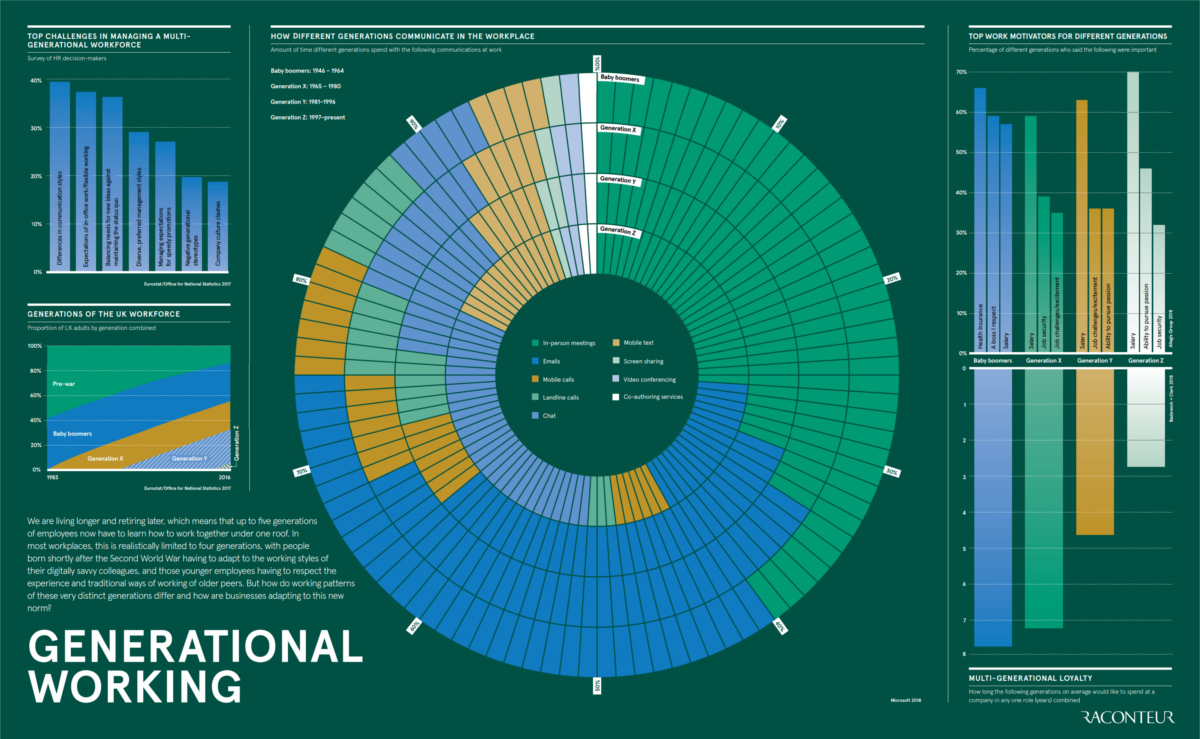
The first representatives of Generation Z have started to trickle into the workplace – and like generations before them, they are bringing a different perspective to things.

Did you know that there are now up to five generations now working under any given roof, ranging all the way from the Silent Generation (born Pre-WWII) to the aforementioned Gen Z?

Let’s see how these generational groups differ in their approaches to communication, career priorities, and company loyalty.

Generational Differences at Work

Today’s infographic comes to us from Raconteur, and it breaks down some key differences in how generational groups are thinking about the workplace.

Let’s dive deeper into the data for each category.

Communication

How people prefer to communicate is one major and obvious difference that manifests itself between generations.

While many in older generations have dabbled in new technologies and trends around communications, it’s less likely that they will internalize those methods as habits. Meanwhile, for younger folks, these newer methods (chat, texting, etc.) are what they grew up with.

Top three communication methods by generation:

  • Baby Boomers:
    40% of communication is in person, 35% by email, and 13% by phone
  • Gen X:
    34% of communication is in person, 34% by email, and 13% by phone
  • Millennials:
    33% of communication is by email, 31% is in person, and 12% by chat
  • Gen Z:
    31% of communication is by chat, 26% is in person, and 16% by emails

Motivators

Meanwhile, the generations are divided on what motivates them in the workplace. Boomers place health insurance as an important decision factor, while younger groups view salary and pursuing a passion as being key elements to a successful career.

Three most important work motivators by generation (in order):

  • Baby Boomers:
    Health insurance, a boss worthy of respect, and salary
  • Gen X:
    Salary, job security, and job challenges/excitement
  • Millennials:
    Salary, job challenges/excitement, and ability to pursue passion
  • Gen Z:
    Salary, ability to pursue passion, and job security

Loyalty

Finally, generational groups have varying perspectives on how long they would be willing to stay in any one role.

  • Baby Boomers: 8 years
  • Gen X: 7 years
  • Millennials: 5 years
  • Gen Z: 3 years

Given the above differences, employers will have to think clearly about how to attract and retain talent across a wide scope of generations. Further, employers will have to learn what motivates each group, as well as what makes them each feel the most comfortable in the workplace.

Source: Infographic: How Different Generations Approach Work

Internet Meme Pioneer YTMND Shuts Down

You’re the Man Now Dog, a pioneer in the internet meme space, has shut down.

The online community at YTMND.com allowed users to upload an image or a GIF and pair it with audio for hilarious results. Traffic to the website, however, dried up years ago with the rise of Facebook, Twitter, and YouTube. In 2016, site creator Max Goldberg said YTMND would likely shut down soon due to declining ad revenue and his ill health.

“It seems like the internet has moved on,” Goldberg told Gizmodo at the time.

The site dates back to 2001 when Goldberg paired a looping audio clip of Sean Connery uttering the line “You’re the man now, dog!” with some text and placed it all on a webpage, Yourethemannowdog.com.

In 2004, Goldberg expanded on that with a site that let users pair images with audio, so they could create clips and post them online. The end result was YTMND, which by 2006 was reportedly amassing 4 million visitors a month and 120,000 contributors. By 2012, it had almost a million pages devoted to user-created memes. But it couldn’t compete with the rise of social media and the smartphone.

What prompted Goldberg to finally pull the plug on the site in recent days isn’t clear. He and the site didn’t immediately respond to a request for comment. However, all the pages have been saved on the Internet Archive and its Wayback Machine. So you’ll still be able to enjoy all the site’s content for nostalgia’s sake.

Source: Internet Meme Pioneer YTMND Shuts Down | News & Opinion | PCMag.com

A real real shame

New study shows scientists who selfie garner more public trust

The study builds on seminal work by Princeton University social psychologist Susan Fiske suggesting that scientists have earned Americans’ respect but not their trust. Trust depends on two perceived characteristics of an individual or social group: competence and warmth. Perceptions of competence involve the belief that members of a particular social group are intelligent and have the skills to achieve their goals. Perceptions of warmth involve the belief that the members of this group also have benevolent goals, or that they are friendly, altruistic, honest and share common values with people outside of their group. Together, perceptions of competence and warmth determine all group stereotypes, including stereotypes of scientists.

“Scientists are famously competent—people report we’re smart, curious, lab nerds—but they’re silent about scientists’ more human qualities,” Fiske said.

While perceptions of both the competence and the warmth of members of a are important in determining trust and even action, it turns out that perceived warmth is more important. And, as Fiske showed in a study published in 2014 in Proceedings of the National Academy of Sciences, Americans see scientists as competent but only as moderately warm. Scientists’ perceived warmth is on par with that of retail workers, bus drivers and construction workers but far below that of doctors, nurses and teachers.

The researchers of the new PLOS ONE study launched the investigation into perceptions of scientist Instagrammers after being struck with the idea that the competence versus warmth stereotype of scientists may not be an insurmountable challenge given the power of social media to bring scientists and nonscientists together.

[…]

To explore this idea, the team launched a popularly referred to as ScientistsWhoSelfie, based on the hashtag the researchers introduced to raise awareness about the project in an online crowdfunding campaign that raised more than $10,000. A few dozen scientists around the globe helped to develop a series of images for the project.

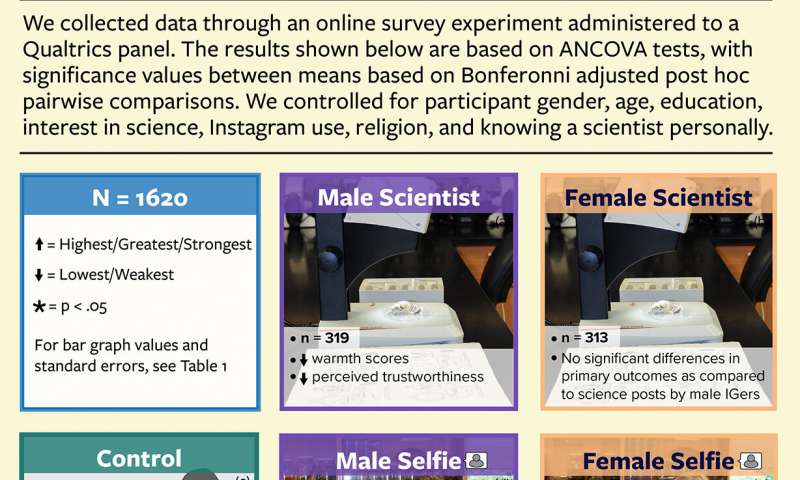
The idea was to show research participants images published to one of four different “Scientists of Instagram” rotation-curation accounts and then to ask them questions about their perceptions of the scientists represented in these images as well as of scientists in general. Each participant was shown three types of images: a scientific setting or a piece of equipment such as a microscope, a bioreactor on the lab bench or a plant experiment set-up in a greenhouse with no humans in any of the images but with captions attributing the images to either male or female scientists by name; a smiling male scientist looking at the camera in the same scientific setting; or a smiling female scientist looking at the camera in the same scientific setting.

A total of 1,620 U.S.-representative participants recruited online viewed these images in an online survey. People who saw images including a scientist’s smiling face, or “scientist selfies,” evaluated the scientists in the images and scientists in general as significantly warmer than people who saw control images or images of scientific environments or equipment that did not include a person. This perception of scientists as warm was especially prominent among people who saw images featuring a female scientist’s face, as female scientists in selfies were evaluated as significantly warmer than male scientists in selfies or science-only images. There was also a slight increase in the perceived competence of female scientists in selfies. Competence cues such as lab coats and equipment likely played a role in preserving the perceived competence of scientists in selfies.

“Seeing scientist selfies, but not images of scientific objects posted by scientists online, boosted perceptions that scientists are both competent and warm,” said lead author LSU alumna Paige Jarreau, who is a former LSU science communication specialist and current director of social media and science communication at LifeOmic. “We think this is because people who viewed science images with a scientist’s face in the picture began to see these scientist communicators on Instagram not as belonging to some unfamiliar group of stereotypically socially inept geniuses, but as individuals and even as ‘everyday’ people with ‘normal’ interests—people who, like us, enjoy taking selfies! Female scientists, in particular, when represented in substantial numbers and diversity, may cause viewers to re-evaluate stereotypical perceptions of who a scientist is.”

The team further found that seeing a series of female scientist selfies on Instagram significantly shifted gender-related science stereotypes, namely those that associate STEM fields with being male. However, they also found that people who saw female scientist selfies evaluated these scientists as significantly more attractive than male scientist selfies. This might help explain female scientists’ boosted warmth evaluations, as physical attractiveness is positively associated with perceived warmth. However, this could also be an indicator that viewers focused more on the physical appearance of female scientists than on male scientists. By extension, female scientists could be more unfairly evaluated for defying gender norms in their selfies, such as not smiling or appearing warm. In their PLOS ONE paper, the team writes that this possibility should be investigated further in future research.

Source: New study shows scientists who selfie garner more public trust